Liver cancer is becoming an increasingly important issue for global health, with forecasts suggesting that new case numbers might increase twofold in the upcoming years. In light of this concerning trend, health specialists stress that many of these potential diagnoses could potentially be prevented with early interventions, changes in lifestyle, and improved public health policies.
Based on the latest evaluations by global cancer research organizations, liver cancer is expected to be among the most rapidly increasing types of cancer across the globe, mainly impacting areas that are already facing challenges with restricted healthcare availability. This increase is linked to a mix of environmental, lifestyle, and infectious causes, many of which can be altered.
One of the leading contributors to liver cancer is chronic infection with hepatitis B and C viruses. These viruses cause long-term inflammation and scarring in the liver, significantly increasing the risk of malignant transformation over time. Fortunately, effective vaccines for hepatitis B and curative treatments for hepatitis C are widely available. However, public health gaps in testing, vaccination, and treatment persist, particularly in low- and middle-income countries.
Alcohol consumption also plays a considerable role in liver cancer risk. Long-term heavy drinking can lead to cirrhosis, a condition in which liver tissue becomes scarred and non-functional. Over time, this damage can progress to cancer. Reducing alcohol intake, especially in populations with high rates of liver disease, is a key prevention strategy identified by health authorities.
Another significant yet preventable risk factor is nonalcoholic fatty liver disease (NAFLD), which has been rising in tandem with obesity and metabolic syndrome. NAFLD can lead to inflammation and liver damage similar to alcohol-related disease, even in individuals who do not consume alcohol. With increasing rates of obesity, type 2 diabetes, and sedentary lifestyles across the globe, NAFLD is expected to contribute to the growing liver cancer burden. Public health campaigns promoting balanced nutrition, physical activity, and weight management are essential to counter this trend.
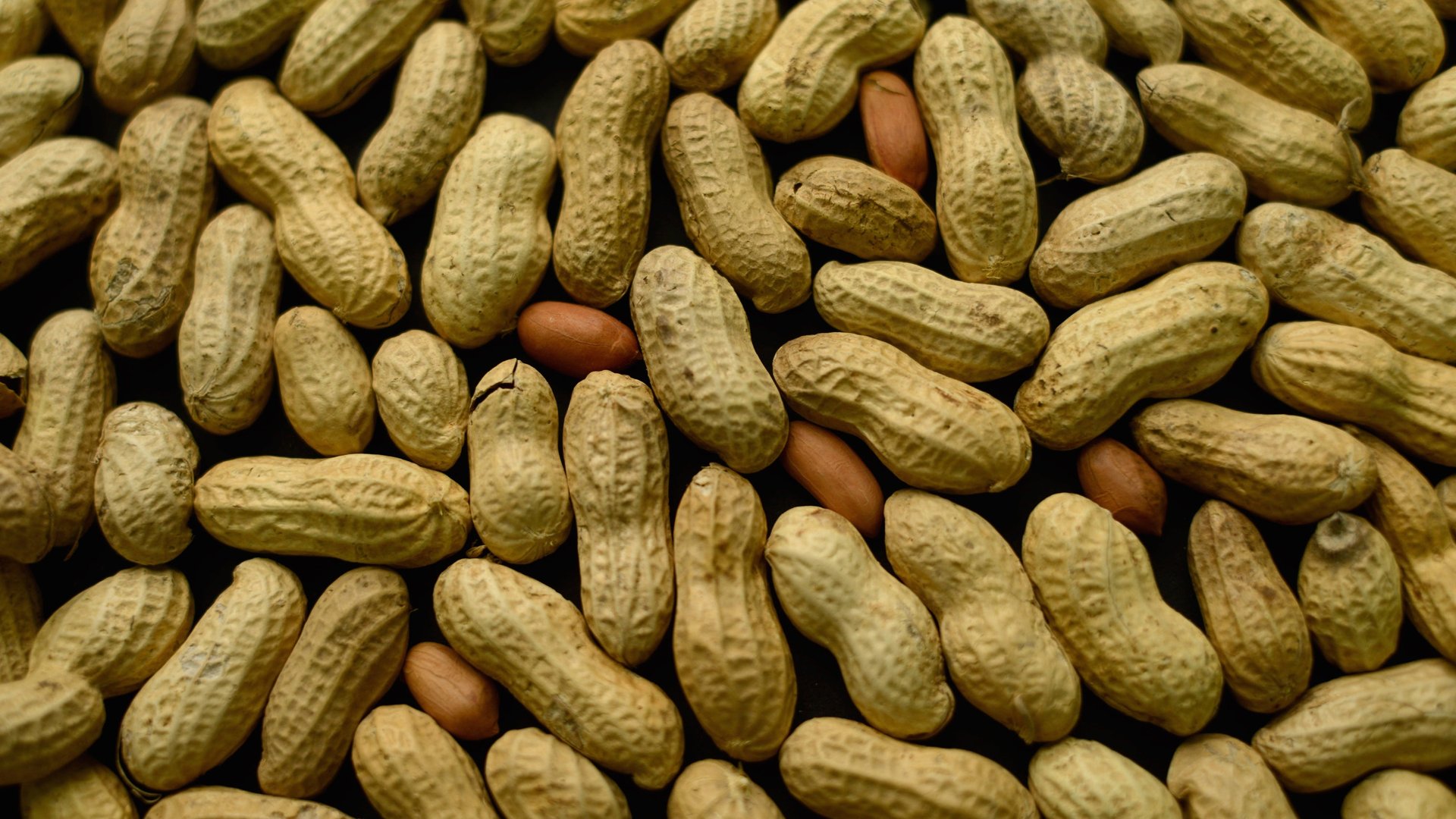
Exposure to certain toxins also elevates liver cancer risk. For example, aflatoxins—naturally occurring toxins produced by certain molds found in grains and nuts—are common in parts of Africa and Asia. Improving food storage practices and monitoring food safety standards can mitigate this risk.
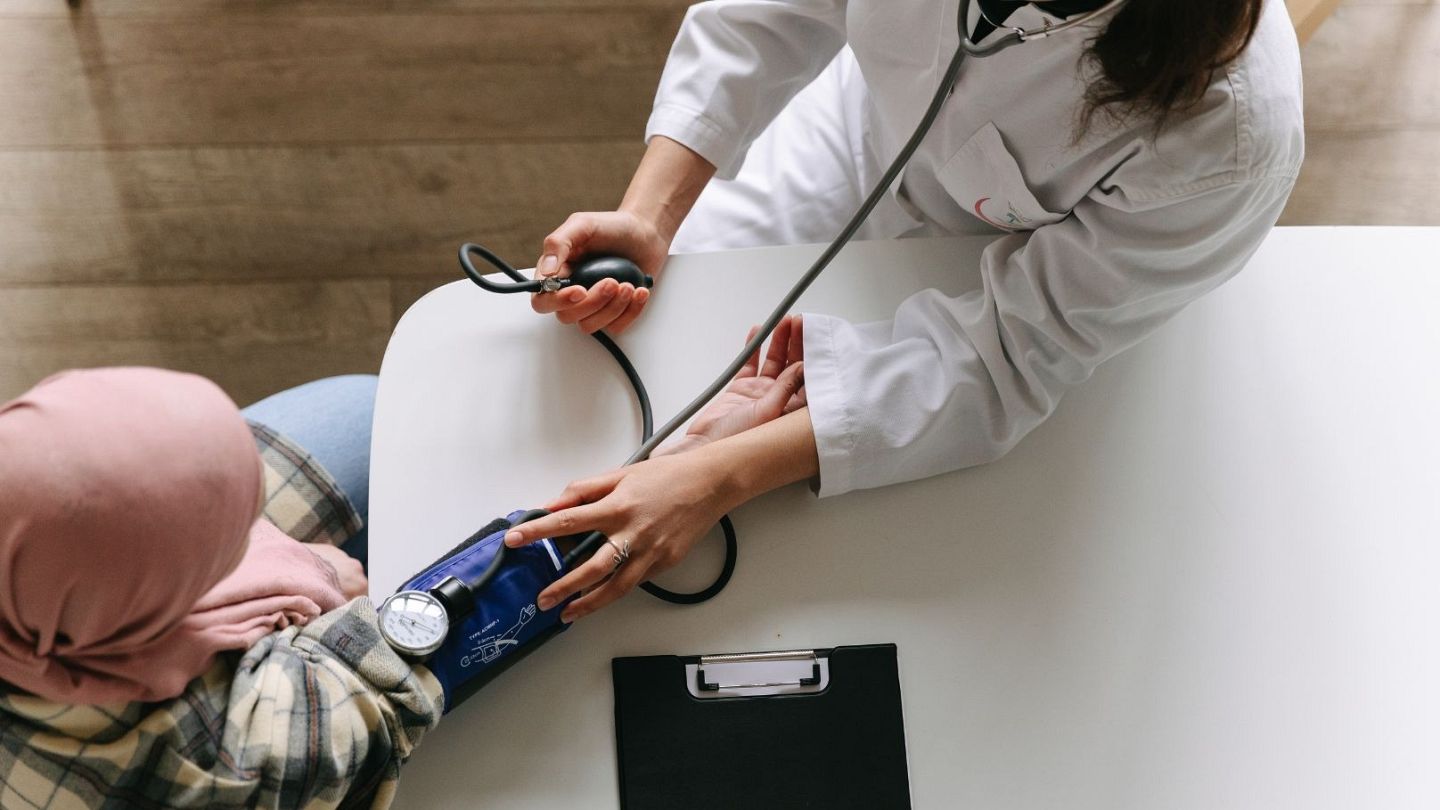
Early identification is another significant obstacle. Liver cancer typically progresses without obvious signs until it advances, resulting in poor treatment results. Enhanced screening procedures for high-risk populations, such as individuals with hepatitis or cirrhosis, can greatly improve early detection and survival chances.
Alongside biological and lifestyle determinants, socioeconomic inequities contribute additional challenges. Restricted availability of vaccines, diagnostic tools, and healthcare facilities in under-resourced areas amplifies the effects of liver cancer. Tackling these disparities through policy changes, global assistance, and advancements in healthcare is crucial for worldwide cancer control initiatives.
Promising developments in medical research and treatment are helping to change the outlook for liver cancer patients. Advances in targeted therapies, immunotherapy, and minimally invasive surgical techniques offer new hope. However, these treatments are costly and not yet accessible to everyone, reinforcing the need for prevention as a primary strategy.
Raising awareness among the general public is another crucial aspect of the bigger picture. Numerous individuals are still not informed about their hepatitis condition or the lasting effects of issues such as obesity and alcohol consumption. Educating communities and carrying out regular screenings can assist in identifying vulnerable people and linking them to preventive health services.
Although liver cancer is expected to become a significantly more common health issue in the coming years, specialists concur that over half of these possible instances are preventable. With detailed health strategies, wider availability of vaccines and antiviral treatments, lifestyle modifications, and initiatives for early recognition, the global society has a distinct chance to lessen this escalating danger. By tackling liver cancer in a proactive manner—rather than just responding to it—it could potentially save millions of lives in the future.