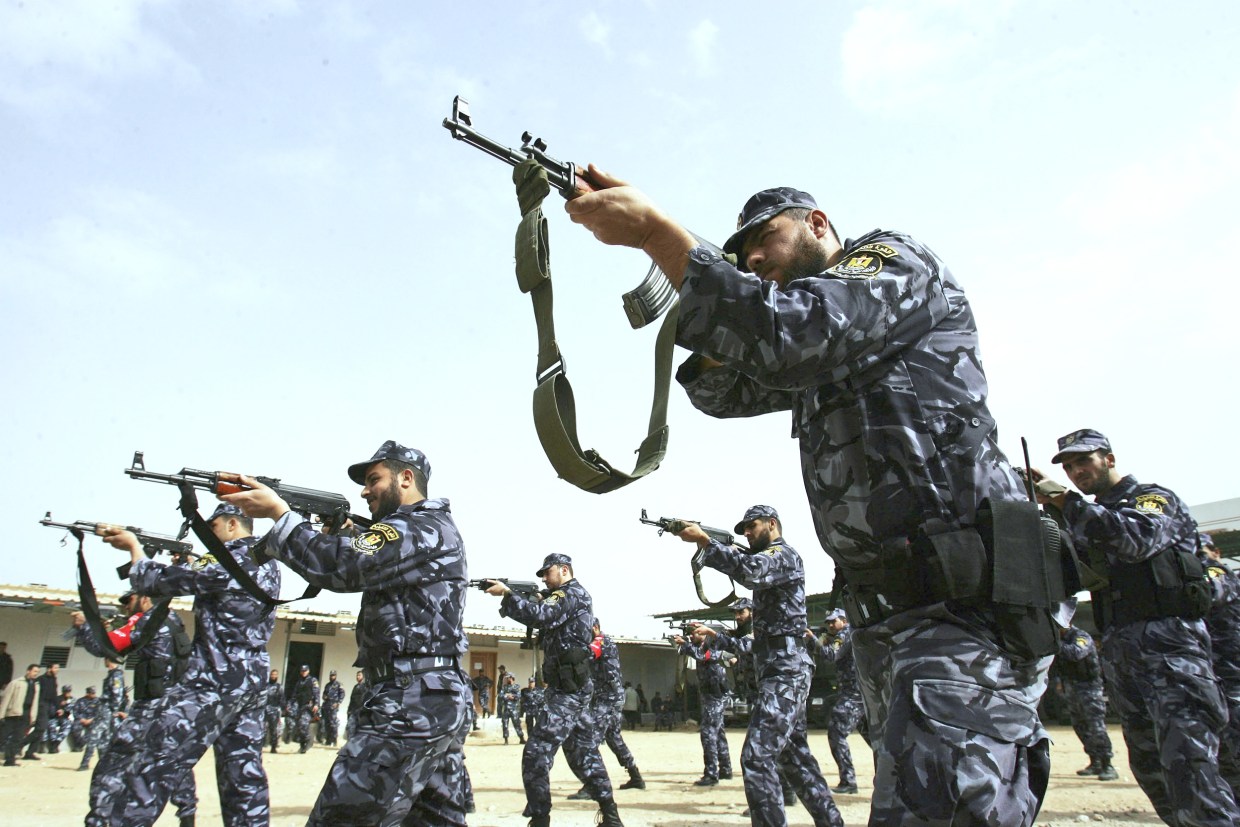
The financial frameworks facilitating Hamas’s administrative operations in Gaza have been subject to growing examination by international analysts. Despite facing extensive economic sanctions and banking limitations, the organization has established substitute methods to pay government employees and uphold administrative duties within the region it governs. These financial structures exhibit significant flexibility in bypassing conventional banking systems that are mostly inaccessible due to anti-terrorism laws.
In the heart of this framework is an intricate network of unofficial transfer practices and cash distribution locations. Instead of depending on standard bank transfers, Hamas employs a mix of reliable agents, the physical movement of cash, and alternative financial services to transfer money. Currency exchangers and informal hawala systems are key components, enabling wages to be delivered to their beneficiaries without direct dealings through monitored financial entities. These traditional transfer mechanisms, founded on personal trust and the balancing of obligations among brokers, have demonstrated resilience in the face of contemporary monetary restrictions.
The salary distribution process reportedly involves multiple layers of security and verification. Civil servants and security personnel receive coded messages directing them to specific locations at predetermined times, where they can collect their payments in cash. The amounts distributed often fluctuate based on available funding, reflecting the unpredictable nature of Hamas’s revenue streams. Payment schedules may vary unexpectedly as funds become accessible through various channels.
Hamas’s financial sustainability relies on diverse income sources that evade international oversight. These include donations from sympathetic organizations abroad, business investments in various countries, taxation on goods moving through Gaza’s tunnel network, and local revenue generation. The organization has become increasingly sophisticated in disguising these financial flows, often routing them through complex sequences of shell companies and third-party nations before reaching Gaza.
The complexities associated with keeping this system functional are significant. Transporting cash physically into Gaza involves complex logistical steps, often dividing the funds into smaller portions, and crossing various borders over long durations. Once within Gaza, the network for distributing cash relies on a decentralized group of local agents, who manage specific payment processes and ensure a high level of security in their operations.
Global attempts to interrupt these financial transactions have seen only partial achievement. Though global financial intelligence agencies have spotted and halted millions in assets connected to Hamas, the group’s financial agents have shown a capacity to swiftly adjust their strategies. If one method of transfer is blocked, new pathways appear through various networks or financial tools.
The humanitarian consequences of this alternative financial system are intricate. Although Hamas manages to sustain its administrative expenses, the broader population of Gaza suffers significant economic challenges due to the combined effects of the blockade and limited financial access. Common residents of Gaza endure cash flow issues and banking restrictions that do not impact Hamas’s financial operations in the same manner. This imbalance has spurred criticism regarding how resources are prioritized within the region.
Financial analysts observe that the mechanisms employed by Hamas resemble those utilized by other sanctioned entities across the globe, yet they feature distinct modifications suited to the unique conditions in Gaza. The group has examined and assimilated strategies from other organizations functioning under financial constraints, while crafting novel approaches to address local issues. It is reported that their financial personnel undergo specific training to evade economic sanctions and identify potential infiltrations into their systems.
The reliance on cash in this system results in both strengths and weaknesses. Although tracking the movement of physical money is more challenging than monitoring digital exchanges, it necessitates substantial logistical efforts and is susceptible to being intercepted or stolen. Hamas has developed advanced accounting techniques to monitor funds throughout the phases of gathering, transferring, and allocating, all while avoiding the creation of a unified paper trail that might be exposed.
International banking regulators continue developing new methods to identify and block Hamas-related transactions, but the organization’s financial specialists remain adept at finding workarounds. Recent efforts have focused on cryptocurrencies and other digital payment methods, though these leave different forensic traces that financial investigators can potentially follow. The cat-and-mouse game between sanctions enforcement and financial circumvention shows no signs of resolution.
This financial infrastructure plays a crucial role in Hamas’s governance model, allowing it to maintain loyalty among its workforce and continue providing basic services despite isolation from the international financial system. The ability to consistently pay salaries, even at reduced levels, reinforces the organization’s claim to be Gaza’s legitimate governing authority in the eyes of many residents.
The robustness of the system prompts significant inquiries regarding the utility of financial sanctions as a policy instrument. Although such actions have clearly limited Hamas’s activities, the group has shown resilience in sustaining essential financial activities through other methods. This situation has sparked discussions among decision-makers about whether increasing the pressure could dismantle the system or merely push it deeper into secrecy.
As global interest remains centered on the humanitarian circumstances in Gaza, the financial activities of Hamas continue to be a controversial topic in debates regarding the region’s prospects. The group’s capacity to sustain this alternate financial framework poses a real problem for those aiming to sway its actions and highlights the resilience of informal economic structures when under duress.
The long-term sustainability of this system remains uncertain, particularly as international financial surveillance capabilities advance. However, Hamas’s track record suggests it will continue evolving its methods to protect this critical aspect of its governance model. Understanding these financial networks provides important insights into how non-state actors can maintain operations despite formal exclusion from the international financial system.