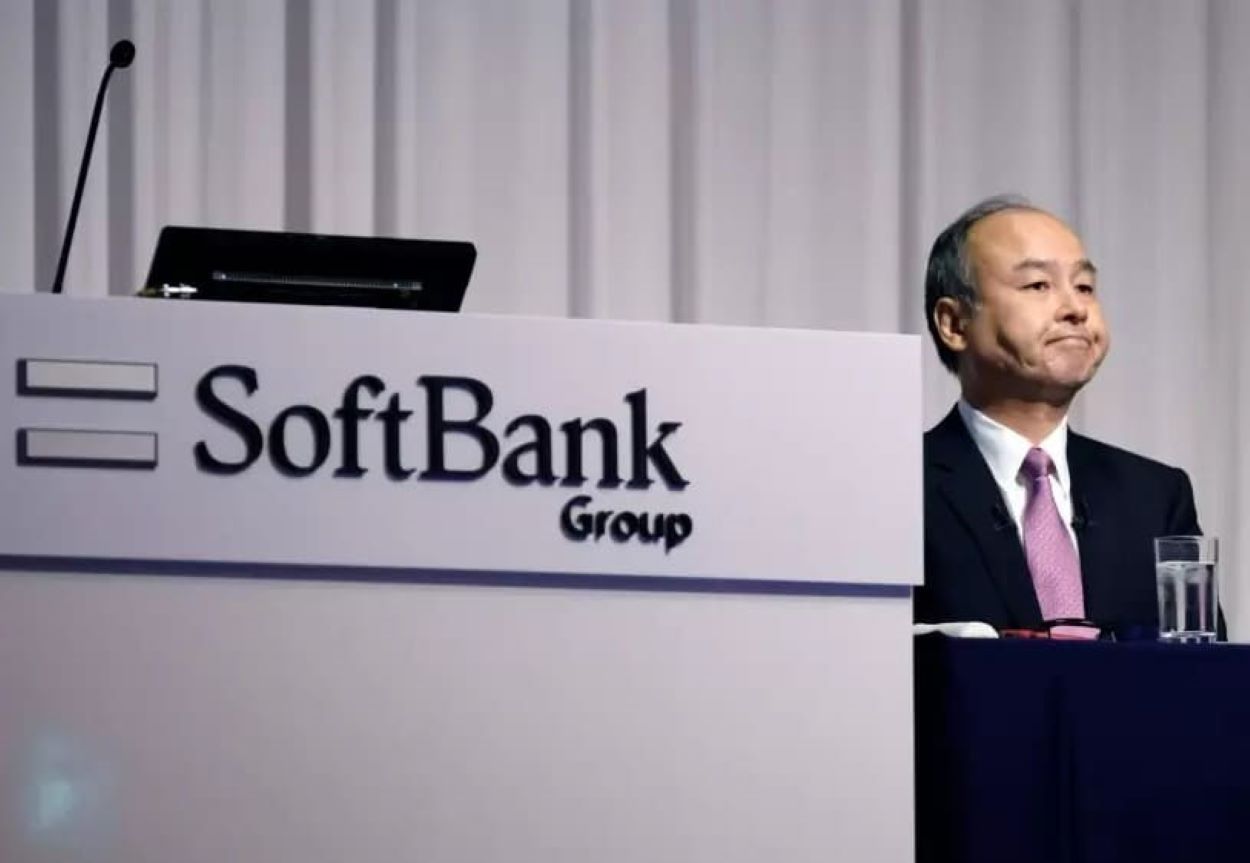
In a recent development emphasizing the continuous transformations within the worldwide technology scene, SoftBank has revealed intentions to invest $2 billion into Intel. This major financial commitment underscores the increasing significance of advancements in semiconductor technology and the strategic alliances emerging within the tech sector to ensure future development. For Intel, this support arrives at a pivotal moment as the firm aims to broaden its impact in cutting-edge chip production and sustain its competitive edge against competitors in an industry that is becoming ever more vital to maintaining global economic equilibrium.
Intel has long been a cornerstone of the semiconductor industry, but in recent years, it has faced mounting challenges. Competitors such as AMD, NVIDIA, and Taiwan Semiconductor Manufacturing Company (TSMC) have gained momentum, capitalizing on surging demand for chips used in everything from artificial intelligence to cloud computing and automotive technologies. By securing a major investment from SoftBank, Intel aims to strengthen its position in this competitive arena, accelerating research, development, and manufacturing capabilities at a time when chips are in unprecedented demand worldwide.
SoftBank’s choice to dedicate a significant amount of money aligns with its overall investment approach. The Japanese conglomerate, under the leadership of Masayoshi Son, is known for focusing on companies with high growth prospects in the tech industry, frequently making daring investments in firms anticipated to be crucial in driving future advancements. Its diverse investment portfolio encompasses businesses in fields such as artificial intelligence, robotics, telecommunications, and biotechnology. By incorporating Intel into its expanding roster of strategic collaborators, SoftBank indicates its trust in the semiconductor leader’s capability to be at the forefront of the upcoming wave of worldwide tech infrastructure.
The $2 billion injection is not merely a financial transaction; it represents a mutual alignment of vision. Intel has articulated ambitious plans to expand its manufacturing presence, including significant investments in new fabrication plants in the United States and Europe. These facilities are intended to support global demand and reduce dependency on Asia’s dominant chipmakers. SoftBank’s funding will likely provide the necessary capital to expedite these projects, giving Intel the flexibility to scale production and strengthen supply chain resilience.
This partnership also has broader geopolitical implications. In recent years, semiconductors have emerged as a critical element of national security, with countries worldwide prioritizing domestic chip production to reduce vulnerability to supply disruptions. The United States, in particular, has emphasized the importance of rebuilding its semiconductor manufacturing capacity, and Intel’s expansion efforts align closely with this objective. With SoftBank’s investment, Intel is better positioned to compete on the global stage while also contributing to the U.S. strategy of regaining technological independence in this crucial sector.
For SoftBank, the investment is a chance to acquire a share in one of the crucial sectors of today’s economy. Chips serve as the base for nearly all digital advancements—from artificial intelligence and quantum computing to self-driving cars and intelligent infrastructure. By partnering with Intel, SoftBank is not only broadening its investment collection but also guaranteeing its involvement in a field that will shape technological dominance in the future years.
The financial markets are keeping a close eye on this, as it could indicate future trends in investments. Institutional investors frequently regard SoftBank’s actions as representative of long-term prospects, considering the company’s history of investing in groundbreaking technologies early on. Should Intel effectively utilize the new funding to regain traction, it might represent a pivotal moment for the company and restore investor trust.
Simultaneously, there are still obstacles. Intel needs to manage fierce rivalry, technological challenges, and the significant expenses linked to expanding its production capabilities. Although the SoftBank investment offers crucial backing, Intel’s success hinges on its capacity to implement its bold plans and achieve innovations in fields such as cutting-edge process nodes, chips optimized for AI, and architectures that conserve energy.
SoftBank’s $2 billion commitment to Intel illustrates the convergence of financial strategy, technological ambition, and geopolitical necessity. It is a partnership that reflects the central role semiconductors play in shaping the future of the global economy. For Intel, the investment is both a vote of confidence and a mandate to accelerate innovation. For SoftBank, it is another bold step in securing its place at the forefront of technological transformation. Together, the collaboration highlights how capital and innovation intersect in the pursuit of global leadership in one of the world’s most critical industries.