

Understanding the Concept of a Virtual Runway
The concept of a digital catwalk has become prominent within the fashion world, particularly with the swift progress of digital innovation and recent global circumstances that have affected conventional presentations. But what precisely is involved in a digital catwalk? This inquiry explores the vibrant blend of fashion, technology, and online creativity.
The Transformation of Fashion Shows
Traditionally, runway shows have been the pinnacle of fashion showcases, offering designers a prestigious platform to unveil their latest collections. These events are typically held in esteemed fashion capitals such as Paris, Milan, New York, and London. Here, models strut down physical runways, presenting garments to an audience of buyers, critics, and enthusiasts.
However, the onset of the COVID-19 pandemic in 2020 significantly disrupted this customary approach. Restrictions on large gatherings necessitated a shift toward virtual environments, thus accelerating the concept of the virtual runway.
What Defines a Digital Catwalk?
A digital catwalk represents a creative evolution of the conventional fashion show, leveraging online platforms to present collections. Rather than having attendees gathered around a physical stage, viewers engage remotely, watching the displays via their devices. These showcases use numerous technologies, including high-resolution video, 3D design, augmented reality (AR), and virtual reality (VR), to offer a captivating experience.
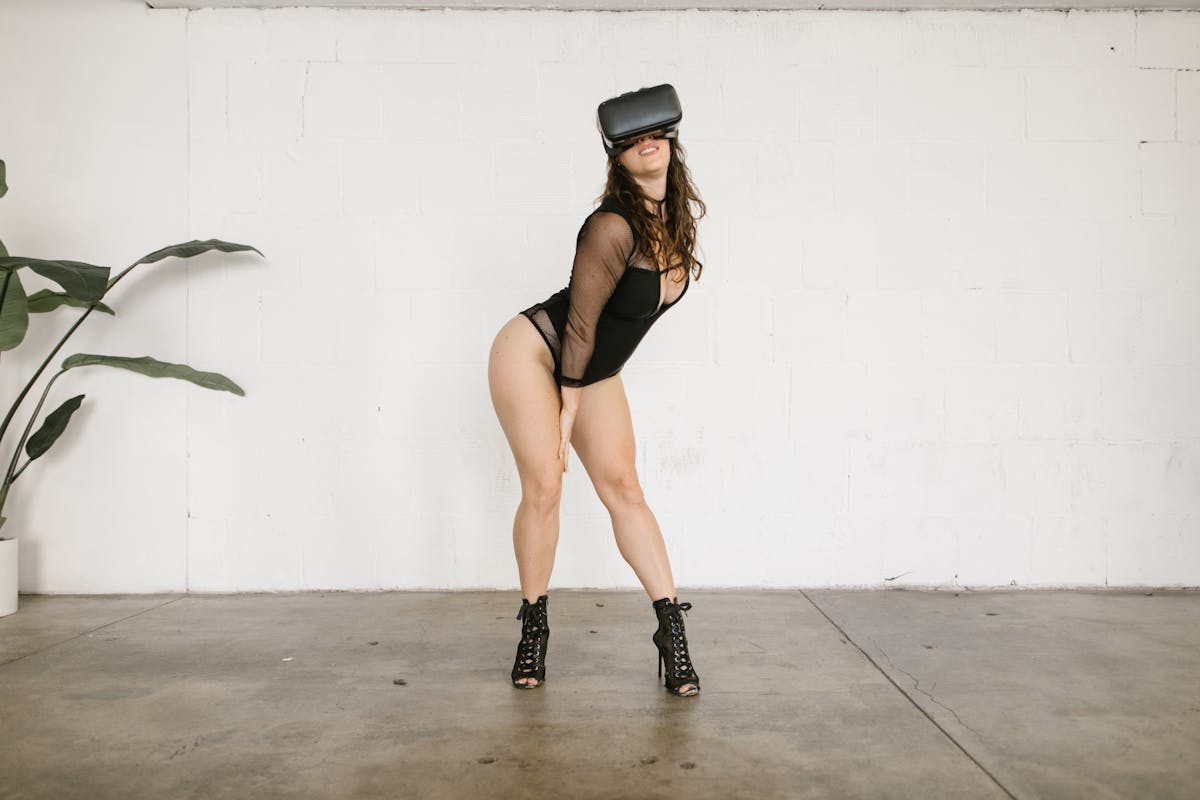
For instance, virtual reality allows audiences to feel as though they are physically present at a show, exploring garments up-close and from different angles. Augmented reality can overlay digital garments onto realistic models, offering a unique presentation. The use of high-definition video ensures that viewers do not miss the intricate details and craftsmanship that are integral to fashion.
Advantages of Virtual Runways
The move to virtual runways presents several benefits. Firstly, it democratizes fashion, enabling participation from viewers worldwide who might not have the opportunity to attend a traditional show. This increased accessibility widens the audience base, fostering global interaction and collaboration.
Furthermore, virtual runways offer sustainable benefits. The need for extensive travel is reduced, minimizing carbon footprints associated with traditional fashion events. Digital presentations also allow for creative experimentation that goes beyond the limitations of physical space.
Additionally, data collected from virtual show attendance offers valuable insights into viewer demographics and preferences, helping designers tailor future collections and marketing strategies.
Case Studies in the Implementation of Virtual Runways
Various well-known fashion labels have adeptly managed the shift to online runways. For instance, in the 2021 Paris Fashion Week, labels such as Balenciaga and Louis Vuitton employed state-of-the-art technology to present their lines via captivating digital showcases that transformed how audiences interact.
Balenciaga, for example, utilized a captivating digital storyline that blended its collection with components of visual art, music, and cinema, crafting an experience rich in sensations. Louis Vuitton used augmented reality, enabling virtual participants to observe models and clothing from exclusive viewpoints.
Obstacles and Factors to Evaluate
Despite the benefits, the virtual runway phenomenon also presents several challenges. Ensuring robust technological infrastructure is essential to avoid disruptions during live streams. Additionally, designers must find ways to convey the tactile qualities of fabrics and the intricate details that might be more apparent in physical settings.
Moreover, the intimacy and exclusivity associated with traditional shows are harder to replicate in digital spheres. Maintaining engagement and creating an impactful narrative are crucial to retaining audience attention in an era characterized by shorter attention spans.
The Evolution of Runway Events
The idea of a digital runway goes beyond just a short-term fix; it signifies a larger shift towards the fusion of fashion with technology. As advancements in tech persist, the ways in which we showcase and encounter fashion are set to transform. This emerging method is revolutionizing not only our view of fashion events but also our engagement with the fashion world, leading to a future where the lines between the tangible and virtual worlds are increasingly indistinct.



.jpg "Harley Weir Wore a Corseted Dilara Findikoglu Dress for Her Ireland Wedding to John Kelleher")
