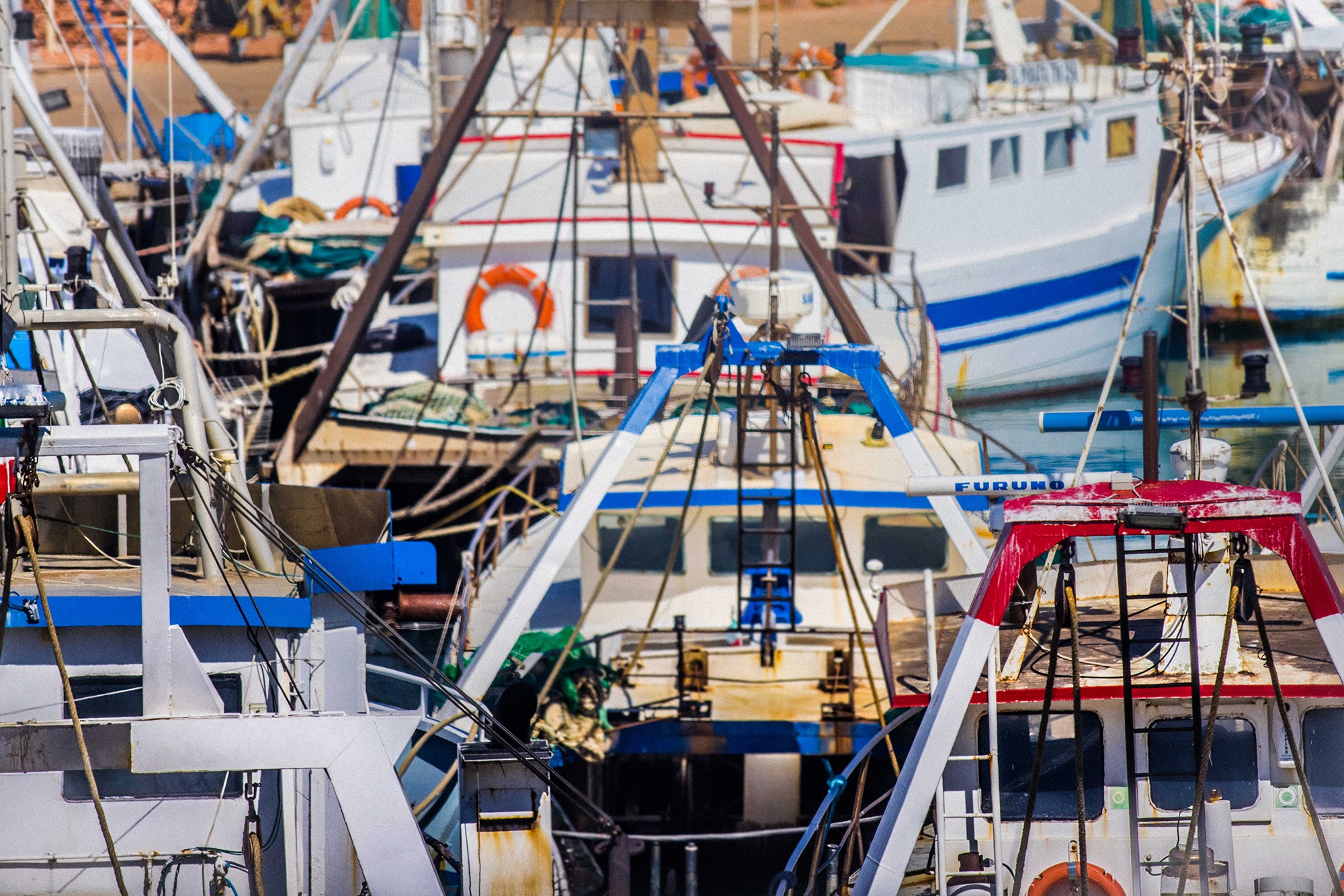
In the warm, blue waters of the Mediterranean off Italy’s coast, a hidden threat lies just beneath the surface. Fishermen, environmentalists, and authorities are increasingly alarmed by the growing presence of illegal fish traps—some of which stretch for kilometers and go entirely undetected until it’s too late. These unregulated, and often dangerously constructed, devices pose a serious risk not only to marine ecosystems but also to lawful fishing practices, maritime safety, and even international conservation efforts.
Described by local fishermen as “invisible dangers,” these traps are likened to marine minefields due to their hazardous and entangling design. Made from plastic, mesh, rope, and concrete, many of these devices are dropped deep into the sea and anchored to the seabed. They’re rarely marked properly, making them nearly impossible to spot from the surface. This allows them to operate for long periods undisturbed, indiscriminately catching fish, damaging delicate habitats, and even endangering boats and divers.
The Italian Mediterranean, long known for its biodiversity and historic fishing culture, is increasingly falling victim to this shadow economy of unlicensed and unmonitored fishing. The traps—illegal under both Italian and European Union law—are part of a larger problem of overexploitation in one of the world’s most environmentally stressed seas. They primarily target high-value species such as sea bream, grouper, and lobster, all of which are already under pressure due to declining populations and climate change. The widespread use of illegal gear only adds to this ecological strain.
Based on assessments from maritime authorities and environmental organizations, the extent of the issue is overwhelming. It is thought that thousands of these traps are operational in the coastal waters of Italy at any moment, particularly within well-known fishing routes and protected marine areas. Extracting them is expensive, labor-intensive, and risky. Numerous traps are crafted to be challenging to recover—some are even rigged with traps to hinder their removal. For the officials responsible for eliminating them, every mission necessitates substantial planning and resources, frequently involving assistance from divers and sea patrols.
For legal fishers, the consequences are both economic and environmental. Licensed fishing crews often report damaged nets, reduced catches, and unfair competition from poachers who use these traps to harvest large quantities of fish without regard for size, season, or quota. In an industry already struggling with rising fuel costs and shrinking margins, these illicit practices further erode livelihoods and trust in regulatory enforcement.
The effects extend beyond the fishing industry. Conservationists warn that illegal fish traps threaten efforts to restore balance in marine ecosystems already weakened by years of human pressure. Protected areas, set up to encourage species recovery and habitat regeneration, are not immune. Traps are often found inside no-fishing zones, undermining years of progress in biodiversity protection and placing endangered species at further risk.
Those gadgets are especially dangerous as they do not differentiate. Besides the intended species, the traps frequently capture sea turtles, dolphins, and various other non-commercial creatures, many of which perish before the traps are retrieved. This unintentional catch contributes to the wider problem of marine biodiversity decline in the Mediterranean, one of the most overexploited areas globally.
Though there are laws designed to stop these actions, implementing them is still a significant issue. Italy’s extensive shores, along with insufficient surveillance capabilities at sea, make it challenging to oversee and stop unlawful actions. Criminal organizations commonly exploit nighttime and GPS technology to set their traps in inaccessible or restricted zones. Although authorities have made some arrests, the secretive nature of these activities allows many perpetrators to continue their operations with relative freedom.
Advances in technology could provide a glimmer of hope. Government bodies and environmental groups are now employing drones, sonar technology, and satellite monitoring to locate fish traps and pinpoint areas of unlawful activities. Platforms for citizen reporting have also been set up, enabling local fishermen and divers to notify authorities if they come across dubious equipment. These initiatives are enhancing the effectiveness of detection, yet the vast number of traps and the rapid pace at which they can be set up continue to pose significant challenges.
The Italian government, in cooperation with EU marine policy bodies, has pledged to intensify crackdowns on illegal fishing operations. Increased fines, vessel confiscations, and coordinated surveillance programs are part of a broader initiative to protect marine resources and ensure sustainable use of the sea. However, long-term success will depend on continued investment in enforcement and international cooperation, especially given the transboundary nature of Mediterranean waters.
Awareness among the public is also crucial. A significant number of these traps are traded and shared via informal networks, and some fish obtained illegally might be sold in markets and eateries without the customers’ knowledge. Enhancing the traceability within seafood supply chains is an essential focus to make sure that the fish being consumed is captured lawfully and sustainably.
There’s also growing support for involving local fishing communities in the fight against illegal practices. Community-based monitoring programs, better access to licenses, and education campaigns can empower small-scale fishers to become stewards of marine resources. By giving them a greater stake in sustainable fishing and conservation, authorities hope to reduce the incentive for illegal behavior and promote long-term ecosystem health.
In the end, the widespread use of illicit fishing traps within Italy’s Mediterranean seas is not merely an environmental concern—it symbolizes larger issues related to regulations, compliance, and sustainable growth. The ocean, once a symbol of cultural heritage and plenty, is under growing dispute, necessitating immediate intervention.
If overlooked, the unnoticed expansion of unlawful equipment endangers not only the future prospects of fishing in the area but also the general wellbeing of Mediterranean ecosystems. Tackling this concealed issue necessitates a collaborative approach involving governmental bodies, local communities, and global allies. It is only through such united actions that Italy’s shores can be liberated from this unseen network and returned to a healthier, flourishing condition.