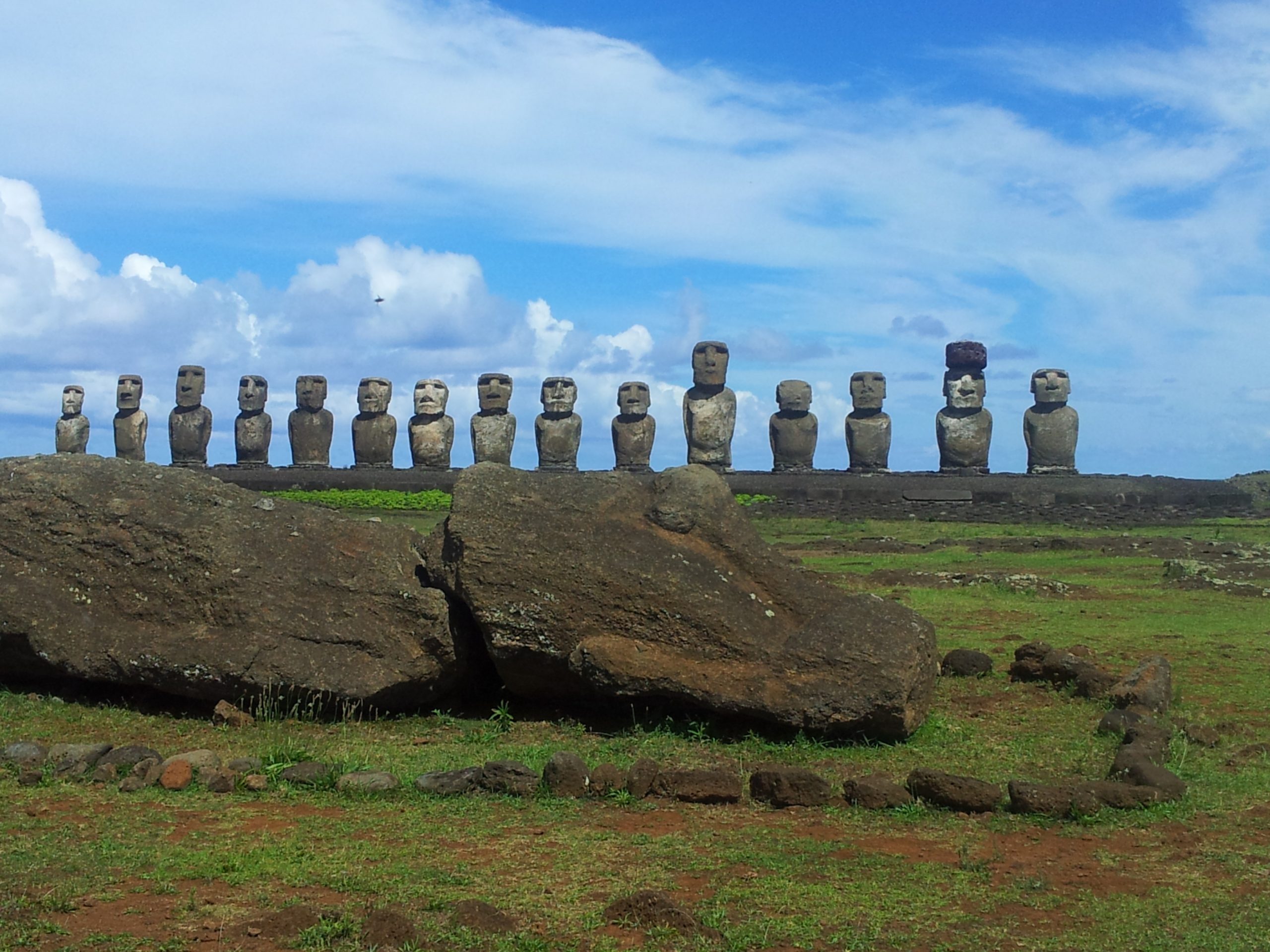
For many years, the moai sculptures on Easter Island have remained as quiet guardians, observing the flow of time and the legacy of the Rapa Nui community. These giant stone creations, hewn from the 13th to the 16th centuries, represent outstanding achievements in craftsmanship as well as emblems of cultural identity, spiritual conviction, and human creativity. Currently, the future of these legendary sculptures is becoming more precarious due to escalating dangers from environmental transformations and human actions.
Located over 2,000 miles off the coast of Chile, Easter Island—known as Rapa Nui by its indigenous inhabitants—has long captured the imagination of archaeologists, historians, and travelers. The moai, carved from volcanic tuff and weighing several tons each, are thought to represent ancestral figures who provided spiritual protection and guidance to the island’s early communities. With their distinctive elongated faces and deep-set eyes, these statues have become a global symbol of mystery and resilience.
Yet this resilience is now being tested like never before. Rising sea levels, coastal erosion, extreme weather events, and the gradual degradation of the stone from exposure to wind and salt are all placing the moai at risk. Climate change, in particular, is accelerating the deterioration of these ancient figures, with some statues already showing visible signs of damage. Torrential rains, increasing humidity, and frequent storms have led to cracks and crumbling in many of the sculptures, threatening their structural integrity.
The secluded position of the island, which used to act as a barrier against human impact, has turned out to be less resistant due to the rise in tourism and development. A surge in visitors, contamination, and the presence of foreign plant varieties have heightened the fragility of both the statues and the nearby archaeological locations. As the number of tourists coming to see the moai in person grows annually, maintaining the equilibrium between preservation and tourism has become more fragile.
Local authorities, conservation experts, and members of the Rapa Nui community are working together to address these challenges. Preservation efforts include monitoring environmental conditions, reinforcing coastal defenses, and employing new technologies to assess the condition of the statues. In some cases, digital mapping and 3D scanning have been used to create detailed models of the moai, ensuring that even if physical damage occurs, a record of their original state will remain.
However, preserving the moai is not solely a technical challenge—it is also a cultural and ethical one. For the Rapa Nui people, the moai are not just historical artifacts; they are sacred representations of their ancestors and an integral part of their living heritage. Any decision about conservation or relocation must therefore involve careful consultation with the community to ensure that their voices and traditions are respected.
The situation on Easter Island reflects a broader global pattern where cultural heritage sites are increasingly under threat from the impacts of climate change. From Venice’s rising waters to the bleaching of Australia’s Great Barrier Reef, humanity’s collective history is being reshaped by environmental forces beyond immediate control. The moai statues, perched along fragile coastal cliffs, have become emblematic of this struggle to protect the past in the face of an uncertain environmental future.
Adding to these environmental pressures are the socio-political challenges facing the island. In recent years, the Rapa Nui community has advocated for greater autonomy and control over their ancestral lands, including the management of archaeological sites. Tensions have arisen around issues of land ownership, conservation funding, and the role of external organizations in decision-making processes. These complex dynamics highlight the need for sensitive, inclusive approaches to heritage management that recognize both scientific expertise and indigenous rights.
Despite the challenges, there is hope that the moai can endure. International partnerships, government support, and local initiatives have combined to bring attention and resources to the conservation of Easter Island’s heritage. Programs aimed at educating visitors about the cultural significance of the moai and encouraging responsible tourism practices have also gained momentum, emphasizing the importance of preservation over exploitation.
One proposed solution is to implement stricter visitor guidelines and limit access to the most vulnerable sites. Some experts suggest that virtual reality and digital exhibitions could offer alternative ways for people to experience the majesty of the moai without contributing to their physical degradation. Meanwhile, scientific research continues to explore new materials and techniques that could help slow the erosion of the stone and safeguard the statues for future generations.
The story of the moai is not merely one of ancient stone figures but also of human resilience, adaptation, and respect for nature. The people who carved and transported these massive statues centuries ago did so with limited resources, deep spiritual conviction, and profound knowledge of their environment. Today’s challenge is to honor that legacy by ensuring that the moai remain standing—not just as monuments to the past, but as living symbols of cultural endurance in a rapidly changing world.
As efforts continue to protect these iconic figures, the moai of Easter Island remind us of the delicate balance between human history and the forces of nature. The question remains whether humanity can rise to meet this challenge, preserving one of the world’s most cherished cultural landscapes before it is lost to time, tide, and neglect.