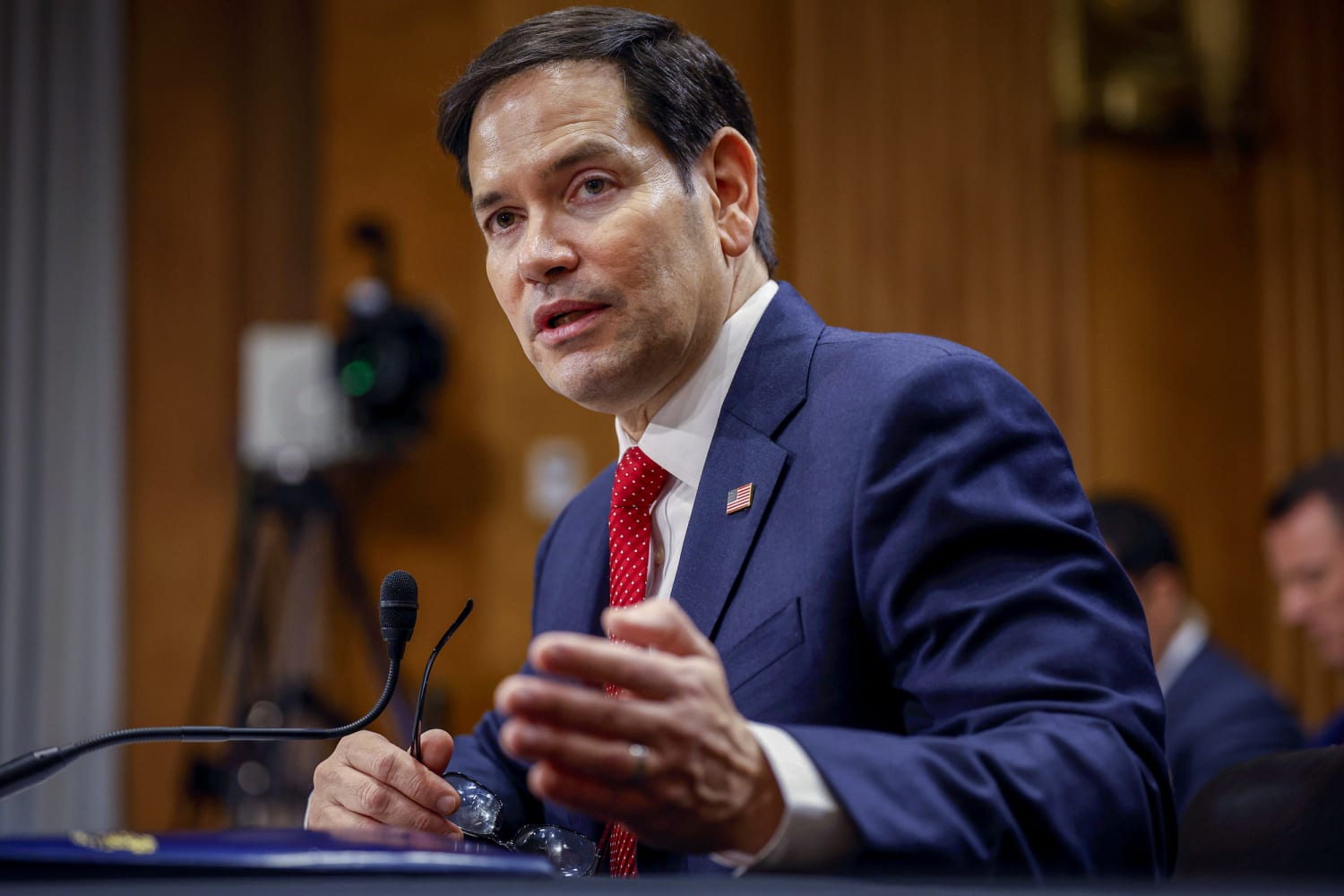
In a notable case highlighting the increasing dangers linked to artificial intelligence, an unidentified person allegedly utilized AI resources to imitate U.S. Senator Marco Rubio and contacted government officials from other countries. This occurrence, involving online trickery on a global scale, emphasizes the developing issues that arise from the swift progress of artificial intelligence and its abuse in political and diplomatic spheres.
The impersonation, which has caught the attention of security experts and political analysts alike, involved the use of AI-generated communications crafted to mimic Senator Rubio’s identity. The fraudulent messages, directed at foreign ministers and other high-ranking officials, aimed to create the illusion of legitimate correspondence from the Florida senator. While the precise content of these communications has not been disclosed publicly, reports suggest that the AI-driven deception was convincing enough to raise initial concerns among recipients before the hoax was discovered.
Instances of digital impersonation are not new, but the integration of sophisticated artificial intelligence tools has significantly amplified the scale, realism, and potential impact of such attacks. In this case, the AI system appears to have been employed to replicate not only the senator’s written voice but potentially also other personal identifiers, including signature styles or even voice patterns, although confirmation on whether voice deepfakes were used has not been provided.
The incident has sparked renewed debate over the implications of AI in cybersecurity and international relations. The capacity for AI systems to generate highly believable fake identities or communications poses a threat to the integrity of diplomatic channels, raising concerns over how governments and institutions can safeguard against such manipulations. Given the sensitive nature of communications between political figures and foreign governments, the possibility of AI-generated misinformation infiltrating these exchanges could carry significant diplomatic consequences.
As artificial intelligence continues to advance, the line between authentic and fabricated digital identities grows increasingly blurred. The use of AI for malicious impersonation purposes is a growing area of concern for cybersecurity experts. With AI models now capable of producing human-like text, synthetic voices, and even realistic video deepfakes, the potential for misuse spans from small-scale scams to large-scale political interference.
In this specific instance where Senator Rubio was impersonated, it acts as a significant reminder that even well-known public figures can fall victim to these dangers. This situation also underscores the necessity of digital verification procedures in political discourse. As conventional methods of verification, like email signatures or familiar writing patterns, become susceptible to reproduction by AI, there is an immediate demand for stronger security strategies, such as biometric verification, blockchain-based identity tracking, or sophisticated encryption techniques.
The impersonator’s exact motives remain unclear. It is not yet known whether the goal was to extract sensitive information, spread misinformation, or disrupt diplomatic relations. However, the event demonstrates how AI-driven impersonation can be weaponized to undermine trust between governments, sow confusion, or advance political agendas.
Las autoridades de Estados Unidos y sus aliados ya han identificado el naciente peligro de la manipulación con inteligencia artificial en contextos tanto nacionales como internacionales. Las agencias de inteligencia han alertado que la inteligencia artificial podría utilizarse para influir en elecciones, crear noticias falsas, o llevar a cabo ciberespionaje. La incorporación de suplantación política a este creciente catálogo de amenazas impulsadas por inteligencia artificial requiere de respuestas políticas urgentes y el diseño de nuevas estrategias defensivas.
Senator Rubio, known for his active role in foreign affairs and national security discussions, has not made a detailed public statement on this specific incident. However, he has previously expressed concerns over the geopolitical risks associated with emerging technologies, including artificial intelligence. This event only adds to the broader discourse on how democratic institutions must adapt to the challenges posed by digital disinformation and synthetic media.
Internationally, the use of AI for political impersonation presents not only security challenges but also legal and ethical dilemmas. Many nations are still in the early stages of drafting regulations around the responsible use of artificial intelligence. Current legal frameworks are often insufficient to address the complexities of AI-generated content, especially when it is used in cross-border contexts where jurisdictional boundaries complicate enforcement.
Falsifying the identities of political leaders is particularly worrisome due to the possibility that such scenarios could lead to international conflicts. A fake message that appears to come from a legitimate governmental figure, if distributed at a strategic moment, might result in tangible outcomes such as diplomatic tensions, trade sanctions, or even more severe repercussions. This threat highlights the importance of global collaboration in implementing guidelines for AI technology use and creating mechanisms for the quick authentication of crucial communications.
Experts in the field of cybersecurity stress the importance of human vigilance along with technical measures, as it is crucial for protection. Educating officials, diplomats, and others involved about identifying indicators of digital manipulation can reduce the likelihood of becoming a target of these tactics. Moreover, organizations are being prompted to implement authentication systems with multiple layers that surpass easily copied credentials.
Este evento sobre la parodia del senador Rubio no es la primera ocasión en que se ha utilizado el engaño impulsado por IA para dirigirse a individuos políticos o de alto perfil. En los años recientes, ha habido varios incidentes que involucran videos falsos generados por inteligencia artificial, clonación de voz y generación de texto, con el objetivo de confundir al público o manipular a los tomadores de decisiones. Cada caso actúa como una advertencia de que el panorama digital está transformándose, y con ello, las estrategias necesarias para defenderse del engaño deben adaptarse.
Specialists foresee that with the growing accessibility and user-friendliness of AI, both the occurrence and complexity of these types of attacks will continue to rise. Open-source AI frameworks and readily accessible tools reduce the entry threshold for harmful individuals, allowing even those with minimal technical skills to carry out campaigns of impersonation or misinformation.
To combat these threats, several technology companies are working on AI detection tools capable of identifying synthetic content. At the same time, governments are beginning to explore legislation aimed at criminalizing the malicious use of AI for impersonation or disinformation. The challenge lies in balancing innovation and security, ensuring that beneficial applications of AI can thrive without opening the door to exploitation.
This latest incident underscores the importance of public awareness around digital authenticity. In an environment where any message, video, or voice recording could potentially be fabricated, critical thinking and cautious evaluation of information are more important than ever. Users, whether individuals or institutions, must adapt to this new reality by verifying sources, questioning unusual communications, and implementing preventive measures.
For political institutions, the stakes are particularly high. Trust in communications, both internally and externally, is foundational to effective governance and diplomacy. The erosion of that trust through AI manipulation could have far-reaching effects on national security, international cooperation, and the stability of democratic systems.
As authorities, companies, and people confront the repercussions of the inappropriate use of artificial intelligence, the demand for thorough solutions grows more pressing. Tackling the issues of AI-powered impersonation involves developing AI detection systems and creating worldwide standards and regulations, necessitating a collaborative, multi-dimensional strategy.
The simulation of Senator Marco Rubio with the use of artificial intelligence serves not only as a warning story—it offers a peek into a future where reality can be effortlessly fabricated, and where the genuineness of all forms of communication could be doubted. How communities deal with this issue will determine the nature of the digital environment for many years ahead.