Starvation is a severe health issue caused by long-term lack of essential nutrients and energy. Treating this condition demands a thorough and carefully supervised method because the body’s functions are greatly impaired, and sudden refeeding can lead to significant health dangers. Whether it emerges during humanitarian emergencies, persistent neglect, or extreme eating disorders, managing starvation includes more than just replenishing nutrients; it also involves stabilizing various organ systems, preventing complications, and tackling root causes.
Cuando el organismo se queda sin alimentos durante un tiempo prolongado, entra en un estado catabólico donde las reservas de grasa, el tejido muscular, y los órganos internos son descompuestos para proporcionar energía. Esto provoca una pérdida de peso considerable, debilidad, y perturba las funciones metabólicas, hormonales, e inmunológicas. Los desequilibrios de electrolitos—en particular, los niveles bajos de fosfato, potasio, y magnesio—son frecuentes y pueden ocasionar complicaciones potencialmente mortales como arritmias cardíacas e insuficiencia respiratoria.
Since the body adjusts to a lack of food by reducing various functions, any abrupt rise in food consumption can be hazardous. This condition is referred to as refeeding syndrome, a potentially deadly alteration in fluids and electrolytes that might happen when nutrients are reintroduced too quickly.
The first step in treating starvation is to perform a thorough assessment of the patient’s condition. Medical teams evaluate vital signs, weight, body mass index (BMI), hydration status, and laboratory values, including glucose, electrolytes, and kidney and liver function. In many cases, intravenous fluids may be administered initially to correct dehydration and electrolyte imbalances before solid food or nutritional formulas are introduced.
In the stabilization stage, it is crucial to watch for indicators of infection, heart instability, or neurological issues. People who have experienced severe malnutrition frequently show symptoms such as bradycardia (a slow heart rate), low blood pressure, and lowered body temperature, all of which must be treated carefully to prevent shock or organ failure.
Once a patient is stabilized, the reintroduction of calories begins slowly. Nutrition is often provided in the form of medical-grade oral supplements or nasogastric feeding if the patient is unable to eat. Initial caloric intake is intentionally kept low—often between 10 and 20 kilocalories per kilogram of body weight per day—and increased gradually over several days or weeks.
The nutritional composition is also carefully designed. Carbohydrate levels are limited initially to reduce the risk of refeeding syndrome, while protein, fats, and essential micronutrients like thiamine and other B vitamins are administered to support metabolic recovery. Electrolytes such as phosphate, potassium, and magnesium are replaced as needed and closely monitored throughout the process.
In certain situations, intravenous feeding, also known as parenteral nutrition, might be necessary, particularly when the gastrointestinal system is not functioning well. Nevertheless, this method is applied with care and generally as a final option because of potential complications.
In cases where starvation is linked to mental health conditions, such as anorexia nervosa or severe depression, psychological support plays a vital role in recovery. Behavioral therapy, counseling, and psychiatric care are often integrated into the treatment plan to help patients address distorted thoughts around food, body image, or trauma.
Likewise, social interventions are crucial in situations involving poverty, neglect, displacement, or war. Humanitarian organizations and medical teams often work together to provide not only nutritional support but also access to housing, clean water, sanitation, and long-term rehabilitation resources. Education on balanced diets and sustainable food practices is often included as part of community-based programs.
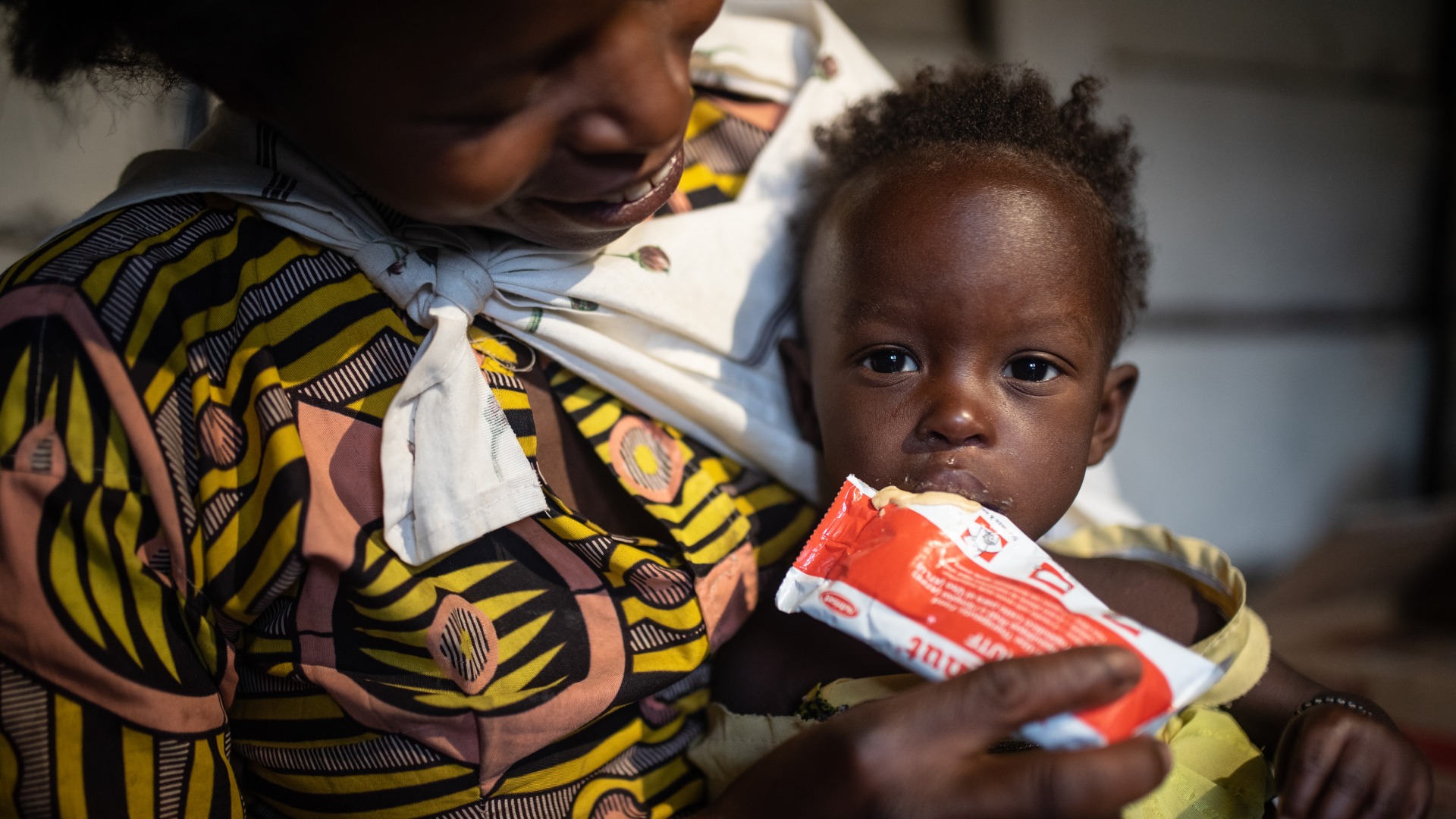
Children suffering from starvation are particularly vulnerable due to their increased nutritional needs and developing bodies. Pediatric treatment protocols often rely on ready-to-use therapeutic foods (RUTFs), which are energy-dense, micronutrient-fortified pastes that do not require refrigeration or clean water for preparation.
These therapeutic foods, such as those based on peanut paste and powdered milk, allow caregivers to administer treatment at home after initial stabilization in a medical setting. Severe acute malnutrition in children is typically classified by low weight-for-height, visible wasting, or mid-upper arm circumference (MUAC), and treatment is tailored accordingly.
Immunization, parasite treatment, and disease management are typically part of protocols for children, as those who are undernourished are extremely vulnerable to illnesses such as measles, pneumonia, and diarrhea, which can rapidly lead to death without medical attention.
Full recovery from starvation does not end once weight is regained. Rehabilitative care often includes ongoing nutritional support, physical therapy to rebuild muscle mass and function, and regular health monitoring to detect lingering deficiencies or complications. In many cases, digestive issues, anemia, bone density loss, or psychological symptoms can persist long after visible signs of malnutrition are resolved.
Sustained follow-up care is especially important in settings where access to food remains unreliable. In these contexts, prevention strategies—such as food security programs, agricultural support, and maternal nutrition education—play a critical role in breaking the cycle of malnutrition.
During crises like natural catastrophes, warfare, or large-scale evacuations, swift action plans to combat severe hunger are crucial. Groups such as UNICEF, the World Food Programme (WFP), and Médecins Sans Frontières (Doctors Without Borders) organize uniform care packages and traveling medical units to assist impacted communities.
Emergency feeding centers are established to triage and treat children and adults with moderate to severe acute malnutrition. These centers often operate alongside broader relief efforts that address sanitation, shelter, and disease control, recognizing that malnutrition rarely exists in isolation.
After the immediate health crisis is resolved, preventing a return to starvation requires tackling the root causes. These may include poverty, food insecurity, social marginalization, or systemic disruptions caused by war or climate change. Holistic solutions often involve a blend of public health initiatives, economic development programs, and social services aimed at building resilient communities.
In individual cases, nutrition education, regular medical check-ups, and support from social workers or community health teams can help reinforce healthy behaviors and detect early signs of relapse.
Addressing starvation encompasses more than just supplying nourishment. It necessitates a comprehensive, research-informed strategy that considers the body’s delicate condition, the mental effects of extended lack of nutrition, and the societal factors that initially contributed to malnutrition. Through meticulous preparation, healthcare supervision, and ongoing assistance, those impacted by starvation can recuperate and restore both their well-being and self-respect.