The charts meant to assist in making decisions regarding flood hazards nationwide are progressively being revealed as a concealed threat rather than a remedy. The flood maps produced by the Federal Emergency Management Agency (FEMA), which serve as the main resource for evaluating a property’s risk, are showing signs of obsolescence. This situation leads to a significant and perilous contradiction, as property owners and investors are frequently led to a misleading sense of safety, unknowingly accepting risks that are much higher than they are aware of. This widespread problem is transforming the housing market and how homeowners view their financial liabilities.
For decades, the FEMA flood maps have served as the authoritative guide for determining flood insurance requirements and property risk. A home’s designation on these maps dictates whether a lender will mandate flood insurance as a condition of a mortgage. If a property is not in a designated high-risk flood zone, the homeowner is not required to carry flood insurance, and they may choose to forgo it, believing their risk is minimal. This reliance on outdated data creates a massive gap between the perceived risk and the actual risk, setting the stage for future financial devastation.
A significant factor contributing to the diminishing significance of these maps is the quickening effects of climate change. These maps rely on past data, yet the circumstances that led to those historical flood occurrences can no longer be trusted to predict what’s to come. Higher sea levels, more severe and frequent rainstorms, and alterations in land utilization have drastically modified flooding patterns nationwide. A location previously deemed secure based on a centennial flood occurrence might now be in a prominent flood-prone area, a fact that the maps have not yet acknowledged.
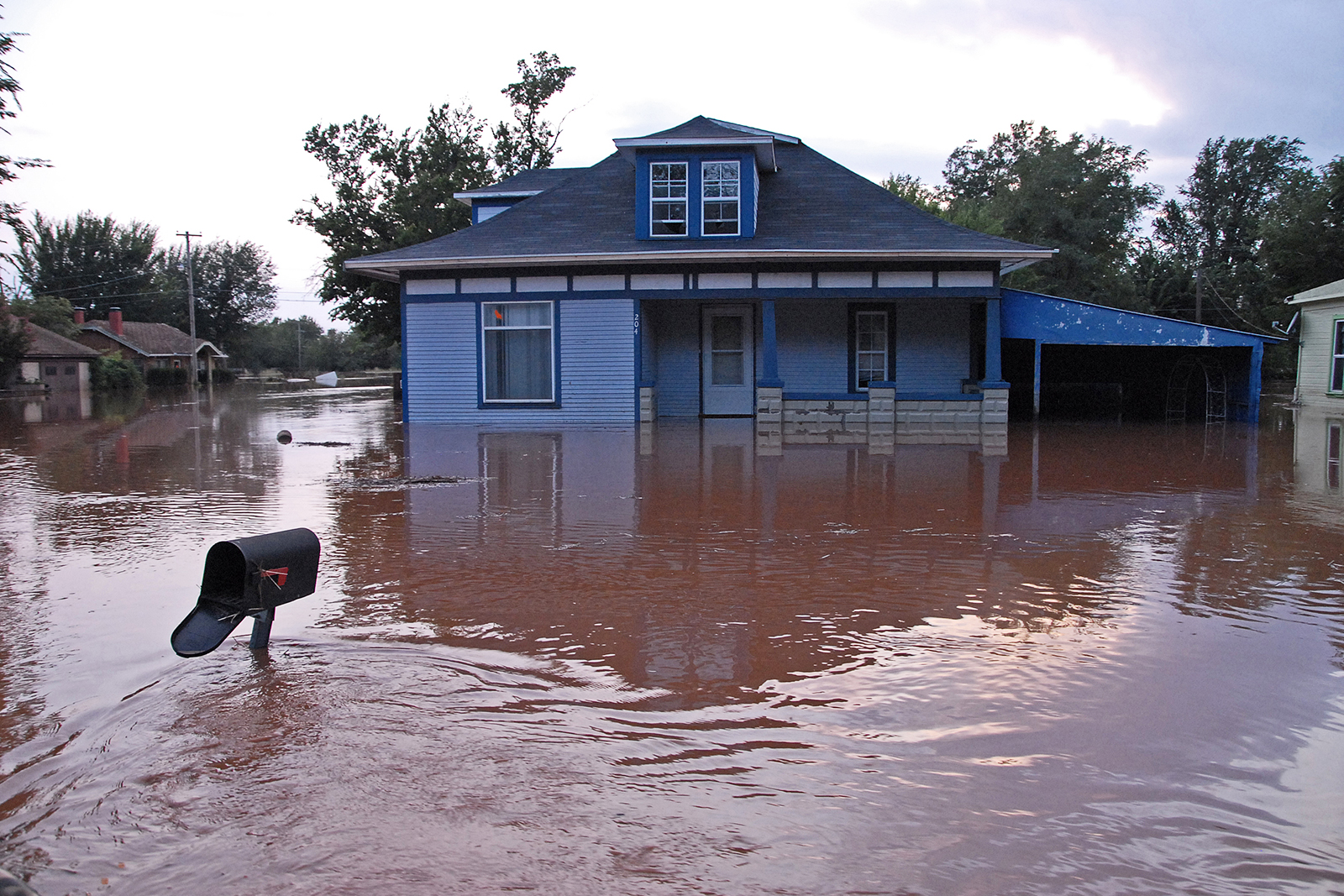
The maps’ shortcomings are most acutely felt in the «in-between» areas—places that are not officially in a high-risk zone but are still highly vulnerable. Many of the most significant flood damages in recent years have occurred in these very areas. The homeowners in these zones are often the most exposed, as they are not required to have flood insurance and are therefore uninsured when a disaster strikes. This creates a critical vulnerability for both individuals and communities, as these uninsured losses create a massive economic burden on the local and federal government in the form of disaster relief.
The financial incentive to ignore risk is deeply embedded in the current system. When a property is not in a high-risk flood zone, it is often more appealing to buyers and easier to sell. The lower insurance costs and the perceived safety can create a market premium for these properties, even if they are in a real-world flood path. This economic dynamic incentivizes all parties—homeowners, real estate agents, and lenders—to rely on the outdated maps rather than engaging in a more thorough and costly risk analysis. The system as it is currently structured rewards ignorance, not caution.
The economic consequences of this flawed system are far-reaching. When a major flood event occurs in an unmapped area, the resulting property damage leads to a wave of foreclosures, a decline in local property values, and a significant disruption to the local economy. The cost of rebuilding falls disproportionately on a combination of federal taxpayers and the families left without insurance, leading to a cycle of debt and recovery that can take years. The outdated maps, therefore, are not just a mapping error; they are a catalyst for economic instability.
One of the greatest challenges facing FEMA is the immense cost and complexity of updating the maps. It is a massive undertaking that requires detailed hydrological modeling, extensive data collection, and coordination across multiple government agencies. The process is time-consuming and expensive, and the agency’s funding for these updates has often lagged behind the pace of environmental change. This logistical reality means that even as FEMA works to create more accurate maps, the new maps may be out of date by the time they are released.
The procedure of revising the maps is additionally filled with political obstacles. When a property gets reclassified into a flood zone with high risk, it can be a significant setback for the property owner, as it might lead to a sharp drop in property value and a substantial rise in insurance expenses. This situation typically results in intense resistance from homeowners and local officials, who are hesitant to witness the decline in their community’s real estate values. Such opposition generates a strong deterrent for authorities to make a move, even when the information indicates an obvious and immediate threat.
The housing market is heavily involved in this problematic framework. Brokers, financiers, and valuators are components of a network that depends on the formal FEMA charts. Though a few are beginning to incorporate more sophisticated, private market risk assessments, the sector in general is sluggish to change. A truer and more accountable strategy would entail a basic transformation in the evaluation and communication of risk to purchasers, advancing past the formal maps and embracing a more detailed and futuristic evaluation of a property’s exposure.
The solution to this problem lies in a fundamental shift in responsibility and a greater reliance on advanced technology. Homeowners and investors can no longer afford to rely solely on government maps. They must take a proactive approach to understanding their true flood risk, using a combination of private-sector modeling, local knowledge, and an awareness of climate-related trends. The future of flood risk assessment will likely be in the hands of artificial intelligence and machine learning, which can process vast amounts of data to create more dynamic and predictive models than the static maps of the past.
The reliance on outdated federal flood maps is creating a dangerous and unsustainable situation in the real estate market. The maps, once a tool for guidance, have become a source of false security, incentivizing property owners to take on risks they don’t fully understand. The challenges of climate change, economic incentives, and political opposition are all contributing to a growing gap between the mapped risk and the real-world danger. As a result, a new era of personal responsibility and technological innovation is needed to protect both property owners and the broader economy from the devastating consequences of living in harm’s way.