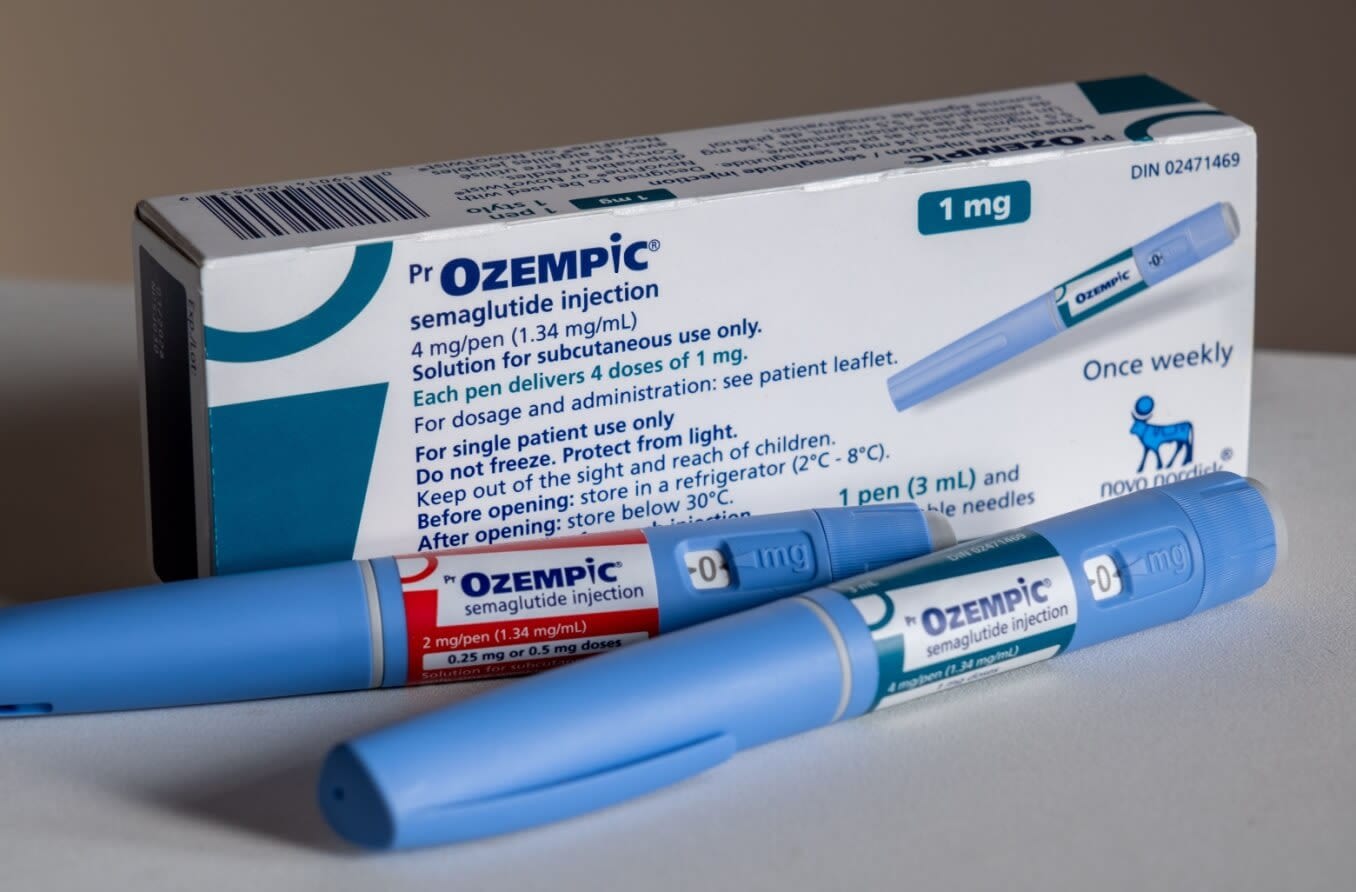
Semaglutide, a drug commonly used for managing type 2 diabetes and increasingly for weight management, has sparked both enthusiasm and unease among healthcare experts. Although its success in controlling blood glucose levels and aiding in weight loss is well-established, certain reports and research have raised potential concerns about its connection to eye issues, such as a possible threat to eyesight. This potential link has drawn interest from both patients and medical practitioners, highlighting the need to distinguish between scientific facts and conjecture.
To understand the debate, it is helpful to look at what semaglutide is and how it works. As a glucagon-like peptide-1 (GLP-1) receptor agonist, the drug helps regulate blood sugar by enhancing insulin secretion, slowing gastric emptying, and reducing appetite. These mechanisms not only aid in managing diabetes but also support weight loss, which explains why semaglutide has become one of the most talked-about medications in recent years. However, because diabetes itself is a leading cause of vision-related complications, determining whether semaglutide contributes directly to eye damage or whether vision changes stem from underlying disease progression is a complex issue.
One of the key concerns originates from clinical trials where patients taking semaglutide experienced higher rates of diabetic retinopathy complications compared to those on placebo. Retinopathy, a common complication of long-term diabetes, occurs when high blood sugar levels damage blood vessels in the retina, leading to vision impairment or, in severe cases, blindness. Researchers noted that individuals with a history of advanced diabetic retinopathy seemed more likely to experience worsening symptoms when they began semaglutide treatment.
The reason might not be the drug itself directly causing damage, but rather the swift enhancement of blood sugar regulation. When glucose decreases rapidly, particularly in those with chronic diabetes and existing eye issues, this abrupt shift can occasionally provoke a temporary advancement of retinopathy. This occurrence isn’t exclusive to semaglutide; it has also been noticed with other strong glucose-lowering therapies. Nonetheless, over time, keeping blood sugar stable typically diminishes the long-term threat of losing vision.
It’s crucial to acknowledge that semaglutide has not been conclusively shown to lead to vision impairment in people without existing eye issues. For those with minimal or no symptoms of retinopathy, the likelihood seems reduced, although continuous observation is still vital. The U.S. Food and Drug Administration (FDA) and other overseeing bodies have mandated warnings about possible retinopathy risks in product information, urging medical professionals to be careful when recommending semaglutide to individuals with severe eye conditions.
Beyond clinical trial data, real-world experiences provide additional context. Many patients using semaglutide for diabetes or weight management report improvements in overall health without any noticeable eye problems. At the same time, ophthalmologists emphasize the need for regular eye exams for anyone with diabetes, regardless of treatment type, since timely detection of retinopathy can prevent severe vision loss. The question, therefore, is not whether semaglutide universally causes vision impairment, but whether it may pose added risk to specific patient populations.
Health professionals recommend that thorough evaluations and personalized treatment plans are the optimal methods to reduce possible dangers. Individuals with a history of retinopathy are advised to confer with their endocrinologist and eye doctor prior to commencing semaglutide, guaranteeing that any visual alterations are carefully supervised. For those not suffering from severe eye conditions, the advantages of improved blood glucose management and weight loss might surpass the possible threats, particularly when combined with proactive eye health measures.
The conversation around semaglutide and vision loss also underscores a broader truth in modern medicine: powerful treatments often come with trade-offs, and their risks can vary depending on patient history. While headlines may focus on alarming possibilities, the scientific consensus points toward a more nuanced reality. For most patients, semaglutide represents an effective therapy, but like all medications, it requires careful consideration of individual health conditions and ongoing monitoring.
There is no definitive evidence linking semaglutide to causing vision impairment directly, although it may elevate the likelihood of exacerbating retinopathy in people with severe diabetic eye conditions. The primary concern seems to be the rapid improvement in blood glucose levels rather than the drug itself harming eyesight. With appropriate medical oversight, regular eye check-ups, and a tailored treatment plan, numerous patients can safely take advantage of semaglutide’s benefits while reducing possible risks.
Rather than viewing semaglutide as a dangerous medication, it is more accurate to see it as a powerful tool that demands responsible use. Its role in managing diabetes and supporting weight loss is significant, but like all tools, it works best when applied thoughtfully, with awareness of both its strengths and its limitations. For patients and healthcare providers alike, the focus should remain on balance: maximizing health benefits while safeguarding vision through proactive care and regular monitoring.