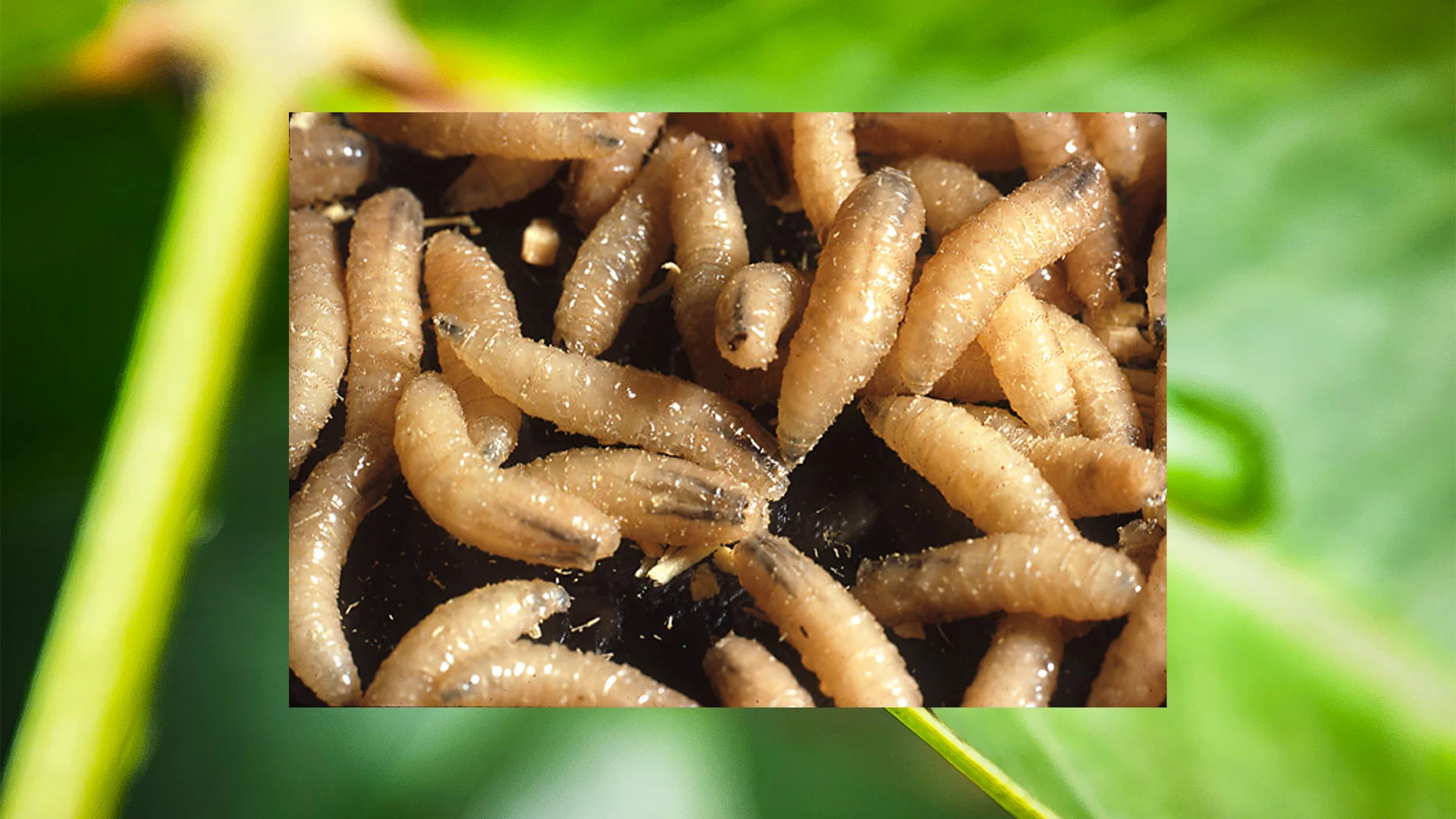
Public health authorities in the United States have confirmed the initial recorded instance of a person being infected by the flesh-eating screwworm parasite, marking an important event in the country’s health history. The announcement came from the Department of Health and Human Services (HHS), which verified that the infection was discovered following the identification of atypical symptoms in a patient who had recently received medical attention.
The screwworm parasite is a type of fly larva that infests open wounds and feeds on live tissue, causing harm to both wildlife and people. Although it has traditionally been prevalent in tropical and subtropical areas, its appearance in the United States is an unexpected and concerning event. This situation has prompted pressing inquiries among scientists, animal health experts, and public health officials about how the parasite arrived in the U.S. and the possibility of more occurrences.
According to HHS, the patient’s condition was identified after medical specialists observed progressive tissue damage inconsistent with typical bacterial infections. Laboratory testing confirmed the presence of Cochliomyia hominivorax, the species responsible for screwworm infestations. This discovery has triggered immediate action from health agencies, including a detailed epidemiological investigation and coordination with veterinary authorities, since the parasite is known to affect livestock as well.
Historically, screwworm infestations in the United States were considered eradicated after extensive control programs dating back to the mid-20th century. Through the release of sterile flies and other biological interventions, agricultural agencies successfully eliminated the parasite from domestic livestock populations. For decades, the U.S. was considered free of the screwworm threat, but occasional reintroductions from neighboring regions have always been a lingering risk. The confirmation of a human case now suggests that monitoring systems must remain vigilant.
Medical professionals highlight that although the infection occurs infrequently, it can lead to severe outcomes if not addressed. The parasites consume living tissue, resulting in painful wounds, progressive deterioration of tissues, and, in extreme situations, widespread complications. The treatment generally includes careful extraction of the larvae, proper wound care, and specific medication to avert additional infections. According to HHS, in the latest incident, the patient is receiving suitable treatment and the infestation was detected in time to minimize enduring harm.
Apart from the direct health consequences, identifying screwworm in a human patient highlights wider issues related to worldwide health and environmental transformations. Rising international travel, movement of animals across borders, and changes in climate have been recognized as elements that may aid in the expansion of parasites and diseases spread by vectors into areas where they were once managed or non-existent.
Researchers warn that the reappearance of parasites such as the screwworm should serve as a reminder of the interconnected nature of human and animal health. Programs that monitor livestock and wildlife health are not only essential for agriculture but also critical for preventing zoonotic infections in humans. This “One Health” perspective—integrating veterinary science, human medicine, and ecological monitoring—is increasingly recognized as a cornerstone of modern public health.
Agricultural sectors are also paying close attention to the case. The livestock industry has long been aware of the risks posed by screwworms, as infestations can lead to severe economic losses by killing or weakening animals. Authorities are now reviewing preventive protocols, including livestock inspection and quarantine procedures, to minimize the possibility of the parasite establishing itself again in U.S. territory.
The Centers for Disease Control and Prevention (CDC) has collaborated with HHS to release alerts to doctors and animal healthcare specialists, advising them to stay vigilant for potential instances in humans and animals. Despite experts emphasizing that the threat to the public is presently minimal, the uncommon detection prompts increased caution. Individuals who have visited or come from areas where screwworm is still prevalent should consider seeking swift medical care if they observe any abnormal injuries or reactions in the tissue.
The confirmed case has also revived discussions around the long-term challenges of parasite control in a changing world. With global temperatures rising and ecosystems shifting, parasites and their insect vectors are moving into areas once considered inhospitable. This has raised the possibility that other neglected or tropical diseases could increasingly find footholds in North America and Europe.
At present, health authorities are focusing on managing the situation, identifying the infection’s source, and making sure the patient fully recovers. Although it is premature to decide if this was an isolated case or part of a larger resurgence, specialists concur that the event should be considered a cautionary alert. Ongoing funding in public health monitoring, tracking animal health, and international collaboration will be crucial to avert similar occurrences in the future.
The occurrence of flesh-devouring screwworm in a human patient in the United States is more than a mere medical curiosity; it is a vivid reminder of the delicate balance among humans, animals, and the ecosystem. This event underscores the rapid reappearance of previously eliminated dangers and emphasizes the necessity for readiness, awareness, and cohesive health strategies to safeguard human and animal groups effectively.