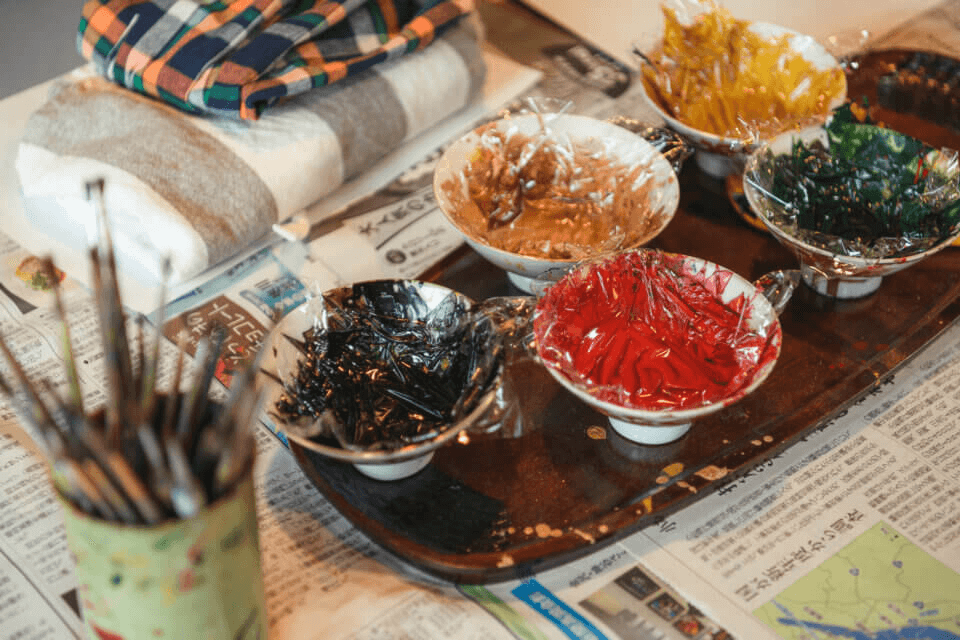
A significant issue affecting public health has surfaced in central China, where over 200 young children have been found with high lead concentrations in their blood. This troubling finding comes after it was revealed that a nearby kindergarten had utilized industrial paint rather than sanctioned food coloring for the children’s meals, as reported by regional health authorities.
The incident, which has sparked widespread outrage and prompted a thorough investigation, took place in the city of Sanmenxia, located in Henan province. Parents of the affected children were shocked to learn that the kindergarten—a place they entrusted with the care and well-being of their children—had incorporated non-food-grade substances into meals, potentially exposing the children to toxic heavy metals over an extended period.
Health officials conducting examinations found that over 200 children who attended the kindergarten showed lead concentrations in their blood significantly higher than recommended safety thresholds. While none of the cases were immediately life-threatening, medical experts warn that even low to moderate levels of lead exposure in children can cause long-term harm, including developmental delays, learning difficulties, behavioral problems, and damage to the nervous system.
The use of industrial paint as a substitute for edible food dye reportedly came to light after several children began exhibiting symptoms consistent with lead exposure, such as fatigue, irritability, abdominal pain, and reduced attention spans. Concerned parents sought medical testing, which ultimately revealed the extent of the contamination.
Authorities have since shut down the kindergarten and launched a comprehensive inquiry to determine how such a dangerous practice was allowed to occur in an educational institution catering to young children. Local government representatives stated that both education and health departments are working together to ensure that the children receive appropriate medical care and ongoing monitoring.
The administration of the kindergarten is currently being examined, and individuals accountable for choosing to use inedible paint in meal preparation might be subject to legal consequences. Authorities have additionally committed to reviewing other childcare facilities and educational institutions in the area to verify that safety measures are being rigorously adhered to.
This incident has sparked renewed discussions throughout China regarding food safety, childcare quality, and societal responsibility. The issue of food safety is particularly delicate in the nation, as previous incidents involving adulterated milk powder, tainted cooking oils, and hazardous farm produce have undermined public trust. Numerous parents in China have voiced their significant apprehension online, calling for tougher regulations and stricter punishments for organizations that put children’s well-being at risk.
The use of industrial substances in food preparation not only violates regulations but also reflects a troubling disregard for basic safety standards. Experts in public health emphasize that lead is a well-documented neurotoxin that has no safe level of exposure for children. Even small amounts can accumulate in the body over time, leading to cumulative damage that may not be immediately visible but can profoundly impact cognitive and physical development.
To address the increasing worry, health officials have sent medical units to the impacted community for thorough assessments, encompassing blood examinations, mental health evaluations, and developmental checks for the kids. Additionally, there are initiatives in place to offer assistance and therapy to families dealing with the emotional challenges of the circumstances.
Medical professionals stress the importance of early intervention in cases of lead exposure. Treatments such as chelation therapy may be considered for children with significantly high lead levels, although prevention remains the most effective strategy. Ensuring that children are no longer exposed to contaminated materials is the first priority, followed by long-term monitoring of health and developmental outcomes.
This incident has also raised pressing questions about oversight within China’s sprawling network of educational institutions, particularly private kindergartens and daycare centers that may operate with limited regulatory scrutiny. Some experts argue that while national guidelines for food safety exist, their enforcement can be inconsistent, especially in smaller towns and less-developed areas where resources for inspection and compliance may be limited.
Parents of the affected children have called for greater transparency from both local authorities and school administrators. Some have demanded compensation and public apologies, while others have urged the government to implement stronger safety standards and conduct regular inspections to prevent future tragedies.
The authorities in China have emphasized the importance of health and safety, implementing numerous changes in recent times to enhance food safety, protect the environment, and regulate consumer products. Nevertheless, incidents such as this one highlight the persistent difficulties in making sure that strategies lead to concrete actions, especially in areas concerning the protection of sensitive groups like children.
International observers have also expressed their views, highlighting that the problem of lead exposure is not exclusive to China. Globally, lead contamination continues to be a substantial environmental and public health concern, especially in areas with outdated infrastructure, insufficient safety guidelines, or poor enforcement practices.
Globally, the World Health Organization has long highlighted the dangers of lead exposure, calling for stronger international standards to protect children, who are the most vulnerable to the toxic effects of heavy metals. The organization advises that governments invest in education, inspection programs, and community outreach to minimize risks.
In the wake of the incident, public health advocates in China are urging comprehensive reforms to childcare licensing systems, stronger enforcement of food safety regulations, and mandatory education for childcare workers on the dangers of chemical exposure. Some experts suggest that digital tracking and reporting systems could be used to monitor compliance and flag potential risks before they escalate into crises.
For the families impacted in Sanmenxia, however, the primary concern is the wellbeing and recuperation of their children. Numerous parents have conveyed deep distress, stating that their confidence in the education system has been significantly undermined. Community support services are being organized to assist families in dealing with the stress and unpredictability they are currently experiencing.
As investigations progress, accountability remains a central demand. Local authorities have promised to hold all responsible parties to account and to ensure that similar incidents do not occur in the future. For many parents and concerned citizens, however, the hope is that this tragedy will serve as a wake-up call, leading to meaningful change in how child safety is protected across China.
The case continues to unfold, but one thing is clear: the health and well-being of children must remain a paramount priority, and any lapses in safety—whether accidental or intentional—carry consequences that reverberate far beyond a single community.