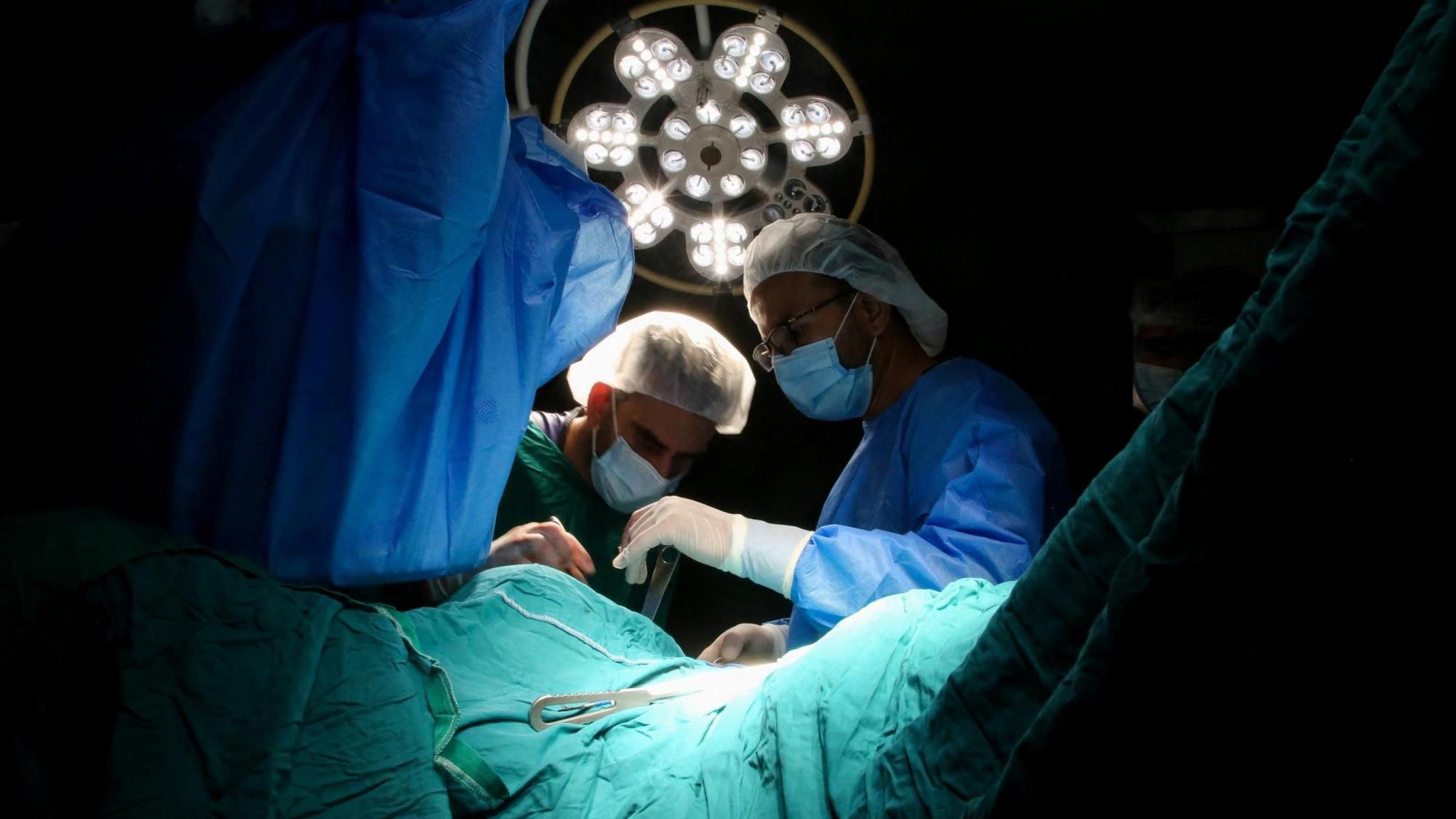
The intensifying hostilities in Gaza have put immense stress on the territory’s largest functioning hospital, with medical experts cautioning about a looming humanitarian crisis if the situation worsens. As military activities widen, medical facilities, already coping with scarce resources, are encountering extraordinary difficulties in delivering emergency medical assistance to the rising number of wounded individuals.
Healthcare professionals on-site have reported worsening conditions as resources dwindle critically, and the influx of injured individuals appears unrelenting. The hospital, now the main hub for treating casualties from continuous airstrikes and ground attacks, risks becoming entirely overrun. Doctors, nurses, and volunteers are tirelessly working nonstop, frequently lacking sufficient tools, medication, or electricity, to preserve as many lives as possible amidst growing disorder.
The situation has intensified as Israel widens its military operations, with fighting spreading to new areas and the civilian toll mounting. Residential neighborhoods, schools, and public infrastructure have been affected by the violence, pushing more people toward already overburdened hospitals in desperate search of medical assistance. Ambulances arrive in waves, carrying the injured—many of whom are women, children, and the elderly—while hospital corridors and makeshift triage areas overflow with patients awaiting treatment.
Medical experts have made urgent calls to global organizations, alerting them that without swift aid and assistance, Gaza’s healthcare infrastructure might completely fail. The scarcity of crucial materials, like surgical instruments, antibiotics, and anesthesia, has rendered it impossible to carry out even the simplest life-saving operations safely. In certain instances, physicians have been compelled to perform surgeries without adequate sterilization, increasing concerns about infections and potential long-term issues for patients.
The destruction of infrastructure has compounded the crisis. Repeated attacks on roads, power stations, and water systems have left many hospitals without reliable electricity or clean water—both vital for running intensive care units, operating theaters, and dialysis centers. Makeshift generators supply intermittent power, but the fuel required to keep them running is scarce. This disruption not only hampers the delivery of immediate care but also threatens patients dependent on continuous treatment, such as those requiring ventilators or dialysis.
Further complicating things, the vast number of people hurt means that numerous individuals face delays of hours or even days before receiving medical attention. The current triage system is experiencing overwhelming pressure, compelling healthcare teams to make difficult decisions regarding the prioritization of patients. As more individuals come in with critical injuries such as shrapnel wounds, burns, and crush injuries, the ability to provide prompt care decreases.
Apart from the tangible destruction, the emotional impact on patients and healthcare workers is significant. Medical staff, many of whom have remained at their stations for extended periods, express feelings of fatigue, hopelessness, and sorrow. Helping severely wounded children, observing the mourning of families shattered by conflict, and operating under the persistent risk of attacks have left many struggling with their own emotional distress.
International humanitarian agencies have echoed the warnings from Gaza’s medical community, calling for immediate and unimpeded access for aid convoys. However, the ongoing military operations and border restrictions have made it extremely difficult to deliver the necessary supplies and personnel. Efforts to establish humanitarian corridors have thus far fallen short, with sporadic ceasefires too brief or fragile to allow meaningful relief efforts.
The worsening crisis has also reignited broader discussions about the impact of prolonged conflict on civilian populations. In densely populated areas like Gaza, where civilian infrastructure is tightly interwoven with daily life, the line between military targets and civilian casualties often blurs. Hospitals, schools, and refugee camps have all been affected, raising concerns over compliance with international humanitarian law, which mandates the protection of non-combatants and medical facilities during armed conflict.
The threat of outbreaks of infectious diseases introduces an additional level of urgency to the scenario. With compromised sanitation systems and overcrowding in temporary shelters and medical facilities, the likelihood of spreading illnesses like cholera, hepatitis, or respiratory infections is elevated. Health authorities caution that the failure of the healthcare infrastructure might lead to secondary crises, surpassing the direct injuries inflicted by conflict.
In the face of these overwhelming challenges, local healthcare workers have demonstrated extraordinary resilience and dedication. Despite limited resources and constant danger, they continue to serve on the frontlines of the humanitarian crisis, offering care, comfort, and hope where possible. Many of these professionals have themselves been displaced, have lost family members, or live under the same threats as their patients, yet remain committed to their mission.
The unfolding situation has prompted calls from the international community for renewed diplomatic efforts to bring about a ceasefire and allow humanitarian relief to reach those in need. Multiple governments, NGOs, and global organizations have underscored the urgent need for a de-escalation of violence and for all parties to prioritize the protection of civilians, particularly vulnerable populations such as children, the elderly, and the medically fragile.
With the humanitarian crisis worsening, attention has moved to the prolonged effects of the conflict on public health in Gaza. The damage to healthcare facilities, the psychological impact of the war, and the disruption of regular medical services, like vaccinations and chronic illness care, are anticipated to leave enduring marks on the health of the population in the coming years.
The international medical community has stressed the importance of not only immediate emergency response but also sustained efforts to rebuild Gaza’s health system once the conflict subsides. Investments in hospital reconstruction, mental health services, and training for healthcare professionals will be essential for the long-term recovery and stability of the region.
At present, healthcare professionals in Gaza stress the urgency of taking prompt measures to avert more casualties. As time progresses, the strain on medical facilities escalates, and the toll on human lives keeps increasing. Without quick international involvement—both concerning aid provision and diplomatic attempts to stop the conflict—Gaza’s main operational hospital, along with numerous individuals relying on it, stands on the edge of a catastrophe.
The unfolding tragedy in Gaza serves as a stark reminder of the human consequences of armed conflict and the critical role of medical neutrality and humanitarian access. As the world watches, the urgency of the situation demands not only empathy but decisive action to safeguard the lives of civilians caught in the crossfire.