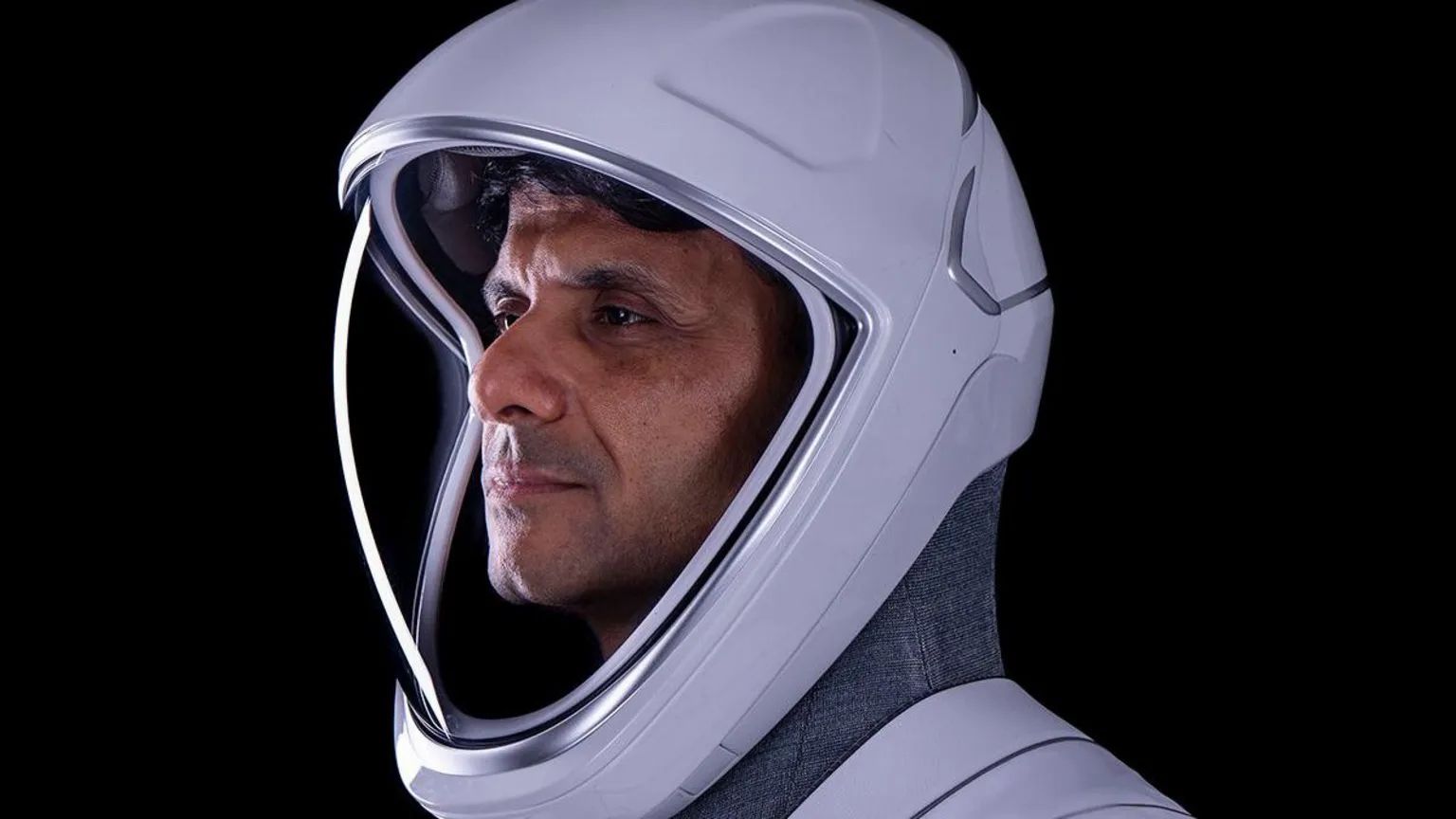
After making history as the first Indian astronaut to participate in a mission to the International Space Station (ISS), the nation’s latest space pioneer has completed a successful return to Earth. This journey, hailed as a milestone in India’s expanding space exploration efforts, reflects the country’s growing influence in global space collaboration and innovation.
The astronaut, participating in a mission that was a collaboration among major space agencies worldwide, stayed on the ISS for a few days, engaging in a variety of scientific tests and operational tasks. His return represents not only a successful end to a historic flight but also a significant move forward in India’s aspirations to become more involved in manned space missions and orbital research.
The mission has been closely followed in India, where public interest in space achievements has surged in recent years. From the successful Chandrayaan-3 lunar landing to expanding satellite deployment initiatives, the Indian Space Research Organisation (ISRO) has seen increasing global recognition for its cost-effective, high-impact contributions to space science. The addition of a crewed mission—especially one involving the ISS—adds a new dimension to this portfolio and signals India’s readiness to be a key player in international space cooperation.
During his time on the ISS, the Indian astronaut engaged in joint scientific studies, concentrating on the effects of microgravity on biological and physical systems. These investigations aim to enhance our knowledge of how prolonged space travel influences human physiology, material properties, and various processes essential for future deep-space explorations. Such insights are especially important as nations gear up for prolonged orbital missions and future travels to the Moon and Mars.
In addition to research duties, the astronaut also engaged in educational outreach, connecting with students in India via live video sessions from space. These moments, which captivated audiences nationwide, were designed to inspire interest in science, technology, engineering, and mathematics (STEM) fields among young people. The initiative has been praised for bringing the realities of spaceflight closer to everyday citizens and creating a sense of shared national pride in India’s scientific progress.
The training process for this mission was extensive and involved rigorous physical and technical preparation. Prior to launch, the astronaut underwent joint training with international astronauts at facilities in the United States and Europe. This preparation ensured a smooth integration with the station’s existing crew and allowed for meaningful participation in complex procedures during the mission.
India’s role on the ISS occurs during widespread talks concerning the future of global space collaboration. As the ISS approaches the conclusion of its service period within the coming ten years, alternative platforms and collaborations are under consideration to sustain human operations in low-Earth orbit. India’s advancing skills, both in technology and personnel, make it a significant collaborator in these developing systems. The knowledge acquired from this mission might guide India’s involvement in future endeavors like NASA’s Lunar Gateway or other global orbital facilities.
Back on Earth, the astronaut’s return featured an organized descent aboard a piloted capsule, which touched down securely in a predetermined recovery area. Medical teams were ready to perform post-landing assessments and provide help with the adjustment process, as astronauts returning often need assistance while adjusting to Earth’s gravitational pull after long periods in microgravity conditions.
The safe landing was met with celebration across India, where government officials, scientists, and citizens alike acknowledged the significance of the achievement. Leaders from ISRO and India’s Ministry of Science and Technology released statements praising the astronaut’s performance and the mission’s contribution to global scientific knowledge. The return is expected to be followed by a period of public appearances, debriefings, and scientific presentations aimed at sharing the mission’s findings.
Looking ahead, India is set to expand its human spaceflight program under the Gaganyaan initiative, which aims to send Indian astronauts into orbit aboard domestically developed spacecraft. The recent ISS mission offers valuable experience in training, life support systems, and mission planning—all critical areas as the country moves toward independent crewed missions.
There are also plans to increase international collaboration in future space endeavors. As space becomes a more contested and complex domain, partnerships will be essential for managing shared challenges such as orbital debris, sustainable resource use, and peaceful exploration. India’s constructive role in this ISS mission strengthens its position as a reliable and capable partner in the next era of space exploration.
Beyond the achievements in science and strategy, the mission has left a significant cultural mark. The sight of an Indian collaborating with astronauts from around the world in space was inspiring and brought a sense of unity to many in India. It emphasized the potential of science and learning, showcasing the successes that can emerge from international partnerships aimed at common objectives.
In educational institutions such as schools, universities, and science centers throughout the nation, the initiative has reignited enthusiasm for space science and aerospace professions. These places of learning are witnessing a growing interest in programs related to physics, astronomy, and engineering, a trend that might offer enduring advantages to India’s innovation landscape and talent development.
As the first Indian to live and work aboard the ISS returns home, his mission will be remembered not just for its technical success, but for the doors it opens for future explorers. With renewed investment, international collaboration, and growing public enthusiasm, India’s space journey is poised to enter an ambitious new phase—one that reaches beyond Earth’s orbit and inspires generations to come.