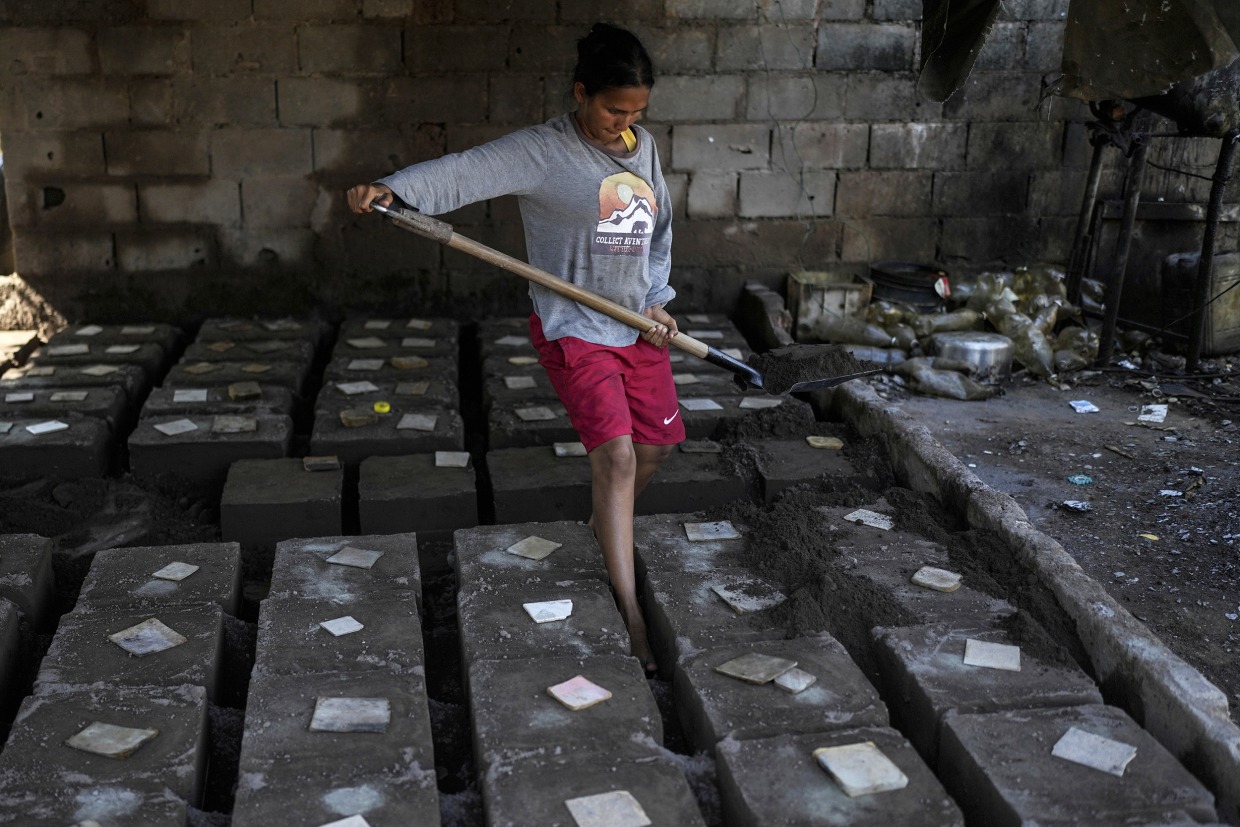
Migrants heading back to Venezuela, a country they previously left seeking improved prospects, are now caught in another cycle of financial trouble and difficulty. These people, usually carrying the emotional and psychological impacts of their unsuccessful ventures abroad, are currently overwhelmed by significant debt and are confronting severe living conditions. The scenario underscores a complicated and sorrowful reversal of fate, where the aspiration for a fresh start has morphed into a distressing battle with economic challenges and a return to a nation still wrestling with deep instability. This is not a narrative of joyful return and comfort, but rather one of ongoing hardship and a quest for stability that is still out of reach.
The primary driver of this crisis is the crushing debt many migrants incurred to fund their travels. The cost of a one-way ticket, often involving a perilous journey across several borders, can be exorbitant. Many were forced to borrow from family, friends, or even informal lenders at high interest rates. They left Venezuela with the hope of earning enough money to repay these debts and send remittances back home. However, for a variety of reasons—including low wages, exploitation, or the loss of their jobs—many were unable to achieve financial stability. Their return to Venezuela means they are now in a precarious position, facing creditors with no means to pay back what they owe.
Living situations for these returnees are frequently similar or worse than those they previously experienced. Although there are slight indications of stabilization, Venezuela’s economy continues to struggle considerably. The persistence of hyperinflation, inconsistent public services, and scarce employment options makes securing a reliable income incredibly challenging. Many migrants, having liquidated their assets to finance their initial journey, come back to find themselves with nothing. They are devoid of the resources needed to begin anew, and their accumulated debts prevent them from regaining their footing. This contributes to a relentless cycle of poverty and hopelessness, aggravating the initial difficulties that prompted their departure with additional financial strains.
Furthermore, the social and emotional challenges faced by returning migrants are immense. They are often met with a mix of pity and suspicion from their communities, who may view their return as a sign of failure. The psychological toll of their failed journeys, coupled with the stress of their financial situation, can lead to depression and other mental health issues. They are essentially strangers in their own land, having to navigate a society that has changed in their absence while struggling to cope with the trauma of their experiences abroad. This reintegration process is not only a matter of economics but also of social and psychological healing.
The {government}’s approach to this crisis has been mostly inadequate. Although there are some initiatives to support returning migrants, they often suffer from insufficient funding and poor organization. The magnitude of the problem is extensive, and the {government} does not have the necessary resources to offer proper assistance to all those in need. Consequently, many returnees are left to manage on their own, depending on the generosity of relatives and acquaintances or turning to extreme actions to get by. The absence of a strong and empathetic {government} response worsens the issue, making it more challenging for these people to regain stability and participate in society.
This situation also highlights a deeper, more systemic issue within Venezuela. While the government has made some progress in stabilizing the economy, the underlying problems that drove millions to leave in the first place—political instability, corruption, and a lack of economic opportunity—have not been fully resolved. The struggles of returning migrants are a powerful testament to the fact that the country is still far from being a place of prosperity and hope for all its citizens. It suggests that the path to a genuine recovery is still long and fraught with challenges, and that a truly stable future for Venezuela will require more than just a return to economic normalcy.
The stories of these returnees are a stark warning to others who may be considering leaving the country. They serve as a powerful counter-narrative to the idea that migrating is a guaranteed path to a better life. The risks involved, both financial and personal, are immense, and the consequences of failure can be devastating. This is a critical message that needs to be heard, not just by Venezuelans but by people around the world who are considering similar journeys. The crisis of returning migrants is a global issue, and Venezuela’s experience is a powerful case study in the human cost of economic and political instability.
The return of migrants to Venezuela represents a multifaceted humanitarian crisis. These individuals, encumbered by financial obligations and enduring severe living conditions, find themselves in significant distress. The issue stems from the financial difficulties faced by the nations they resided in, the substantial expenses associated with their travels, and the persistent unrest within Venezuela itself. A deficient governmental aid system further worsens the situation, leaving many without hope for an improved future. This narrative highlights human perseverance amid overwhelming challenges, but it also underscores the need for a more caring and comprehensive response from both national and international organizations. The struggles faced by these returnees serve as a reminder that a country’s true recovery is measured not only by its economic indicators but also by the welfare of all its citizens, including those who once departed and are now compelled to return.