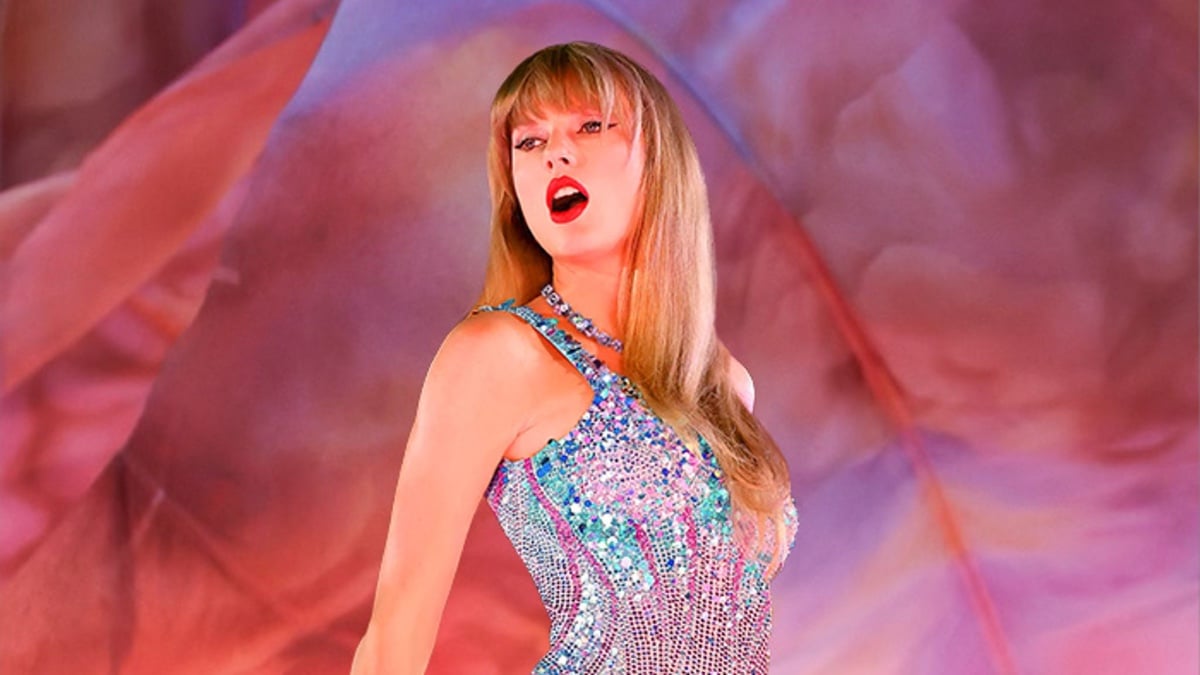
The excitement surrounding Taylor Swift’s Eras tour has been one of the defining cultural moments in recent years, breaking records in attendance, ticket demand, and fan engagement. However, this same popularity has also exposed long-standing challenges in the live entertainment industry, particularly the issue of ticket reselling. Recently, the Federal Trade Commission (FTC) filed a lawsuit against a ticket reseller accused of deliberately skirting restrictions put in place to protect consumers from unfair practices during the frenzy of the Eras tour ticket sales.
According to the FTC, the reseller under scrutiny took advantage of technological vulnerabilities and employed misleading tactics to acquire a large number of tickets. In doing so, they are accused of breaching federal consumer protection regulations intended to guarantee fair opportunity for fans. These actions have garnered substantial focus not just because of the immense popularity of the Eras tour, but also because of the wider consequences for the ticketing sector and the millions of customers impacted by raised prices and restricted availability.
The agency’s lawsuit represents one of the most visible government interventions in the ticketing space in recent years. The FTC argues that the reseller knowingly undermined safeguards implemented by ticketing platforms, which were designed to prevent excessive hoarding of tickets by automated bots or coordinated networks of scalpers. The result, according to the complaint, was that genuine fans were often left without a fair chance to purchase tickets at face value, forcing many into secondary markets where prices soared well above original costs.
For several years, enthusiasts have voiced their annoyance with the secondary market for tickets. Resellers frequently employ sophisticated methods to circumvent buying limits and automated security measures, giving them a major edge over people trying to purchase tickets fairly. Regarding Taylor Swift’s concert series, this scenario unfolded internationally, as tickets vanished within moments and resale sites offered them for thousands of dollars each. The FTC’s choice to initiate legal proceedings underscores a rising worry that these behaviors have surpassed mere consumer trouble and now infringe upon equitable market principles.
The legal action also highlights issues of responsibility within the live events community. Ticketing firms have often stated they are creating methods to deter bot transactions and mass purchases, yet situations like the Eras tour debacle indicate these safeguards are inadequate. Although certain platforms have implemented tougher identity verification and online queue mechanisms, resellers have consistently discovered methods to bypass these obstacles. The involvement of the FTC indicates that government authorities might start taking a more active role in enforcement instead of relying just on the ticketing companies.
Consumer advocacy groups have applauded the FTC’s move, describing it as a necessary step toward curbing predatory reselling practices. Many have called for broader reforms, including greater transparency in how tickets are distributed, stricter penalties for resellers who engage in unlawful conduct, and stronger technological safeguards to block mass automated purchases. Fans argue that without such measures, high-demand tours like Swift’s will continue to be dominated by resellers who profit at the expense of genuine concertgoers.
Simultaneously, the legal case highlights the financial aspects of today’s live music scene. For performers such as Taylor Swift, with their extensive worldwide fan base, ticket requests invariably exceed availability. Even without manipulative reselling strategies, not all supporters are able to obtain tickets. Nonetheless, resellers exacerbate the issue by hoarding tickets and inflating costs, turning an event that might be accessible into an extravagant expenditure.
Legal experts suggest that the outcome of the case could set an important precedent for future enforcement. If the FTC is successful, the decision may encourage regulators to pursue similar actions against other resellers who exploit popular events. On the other hand, if the case fails, it could raise doubts about whether current laws are sufficient to address the scale of today’s ticketing challenges. Some argue that new legislation may be necessary to close loopholes and give regulators more effective tools to combat the problem.
Outside of the legal ramifications, this case has heightened the public discussion concerning equity and accessibility in live performances. For numerous fans, attending concerts isn’t merely an entertainment activity but a unique chance to engage with artists they admire. When such chances are taken over by resellers focused on profit, feelings of exclusion and annoyance can be significant. The situation involving Taylor Swift strikes a chord particularly because it signifies more than just a conflict over tickets; it’s a fight for cultural access and collective experiences.
The intervention by the FTC indicates a growing political focus on this topic. Politicians in the U.S. have become more critical of the live entertainment sector, especially following the uproar over how Ticketmaster managed presales for the Eras tour in 2022. Legislative sessions were organized to investigate claims of monopolistic behaviors, consumer manipulation, and inadequate safeguards against resale abuse. This legal action is part of that broader scenario, showing that the issue extends beyond a single artist’s tour and concerns the overall accessibility of live events.
Technology is both a culprit and potential solution in this ongoing struggle. Automated bots make it easier than ever for resellers to purchase tickets at scale, but emerging technologies also hold promise for more equitable systems. Blockchain-based ticketing, dynamic QR codes, and identity-verified purchasing are among the innovations being explored to prevent unfair reselling. The challenge lies in implementing these systems effectively and ensuring they do not introduce new barriers or privacy concerns for consumers.
For Taylor Swift enthusiasts, this situation highlights the aggravations associated with large-scale ticket sales. Even after extensive preparation, access codes, and fan bonuses, numerous supporters were left without tickets during the Eras tour frenzy. While the legal action might not fix past letdowns, it has the potential to foster more equitable practices in upcoming tours and events within the industry.
Creators themselves are under growing pressure to tackle the matter. Certain musicians have tested fan-centric ticketing platforms, restricted resale options, and imposed limits on prices for secondary market transactions. Although these strategies may assist, they frequently encounter pushback from resellers and certain industry players who profit from higher prices. The FTC’s move might encourage more artists to advocate for tougher regulations, aware that there is governmental support for their initiatives.
In the end, the lawsuit against the ticket reseller accused of manipulating access to Taylor Swift’s Eras tour tickets represents more than a single enforcement case. It encapsulates the tension between technological innovation, consumer rights, and corporate responsibility in the live entertainment industry. The outcome will not only determine the fate of one reseller but may shape the rules of the game for future tours and events that capture global attention.
The clarity lies in the fact that admirers are pushing for modifications. The uproar regarding ticket sales procedures has surpassed mere digital grievances or isolated annoyances—it has ascended to the pinnacle of governmental scrutiny. Be it by means of legal measures, innovative technology, or changes within the sector, the plea for a more equitable process is becoming more pronounced. As the FTC continues its proceedings, those involved in live performances are observing attentively, conscious that the implications reach far beyond a single concert, musician, or vendor.
The lawsuit is still in its early stages, and the courts will ultimately determine whether the accused reseller violated consumer protection laws. However, the cultural and economic significance of the case is already undeniable. For millions of fans, the hope is that this marks the beginning of a new era in ticketing, one where fairness, accessibility, and transparency finally take center stage.