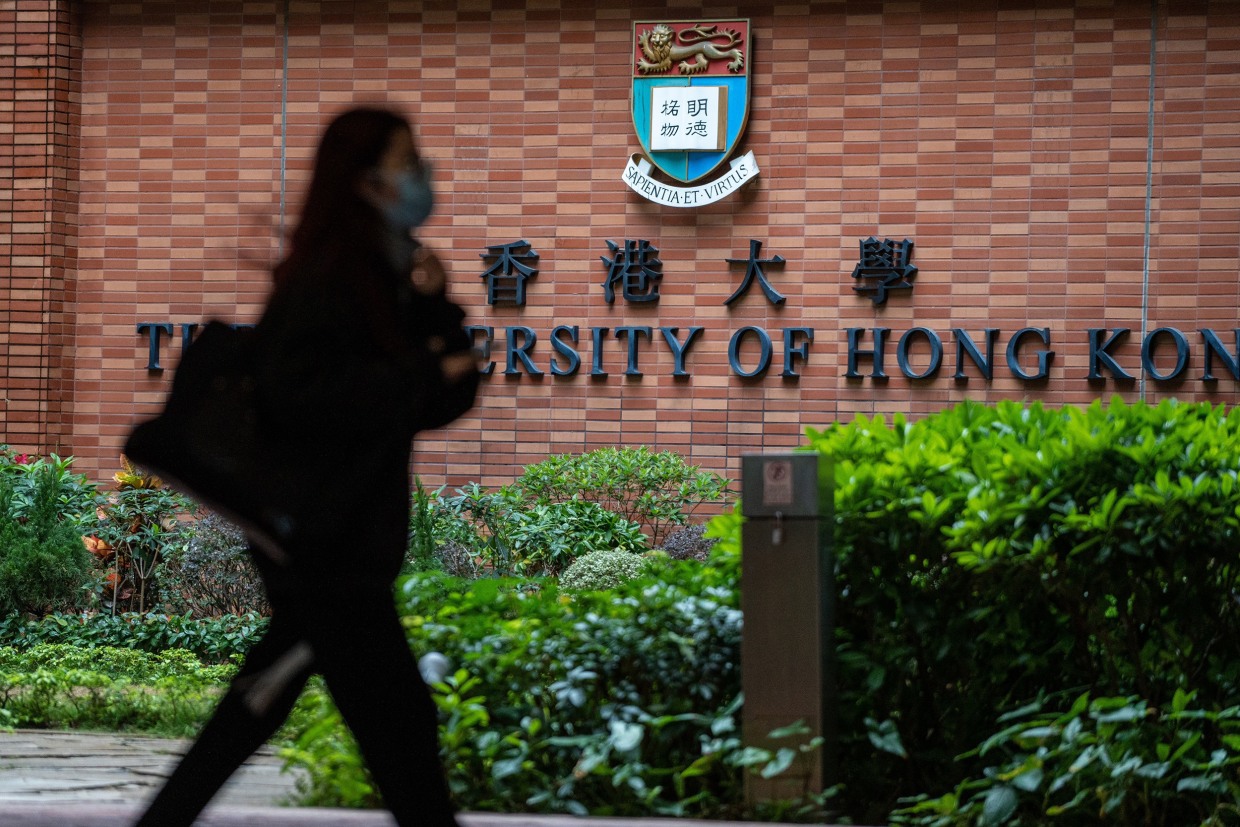
Hong Kong authorities have initiated a criminal investigation into a disturbing case at the University of Hong Kong, where a male law student is accused of using artificial intelligence to generate non-consensual deepfake pornographic images of over a dozen female students and teachers. This official probe, announced recently by the Office of the Privacy Commissioner for Personal Data, follows a significant outcry from students at the city’s oldest institution, who expressed strong dissatisfaction with what they perceived as an inadequate response from the university itself. The incident sheds light on the rapidly evolving challenges posed by AI misuse and the urgent need for robust regulatory frameworks.
The accusations against the student were brought to public attention through a widely circulated letter posted on Instagram by an account managed by three unnamed victims. This letter detailed a chilling discovery: folders on the accused’s laptop purportedly containing more than 700 deepfake images, meticulously organized by victim’s name, alongside the original photos from which they were derived. According to the victims’ account, the male law student allegedly sourced photographs of the individuals from their social media profiles, subsequently employing AI software to manipulate these images into explicit, pornographic content featuring their faces. While it has not been confirmed that these fabricated images were broadly disseminated, their mere existence and the alleged intent behind their creation have ignited a significant controversy.
The sequence of events presented by the victims suggests a worrisome delay in how the university addressed the issue. The images were supposedly found and reported to the university in February. Nonetheless, the university only reportedly began interviewing some of the affected parties in March. By April, one of the victims learned that the accused student had submitted a brief «apology letter» consisting of just 60 words. Although the validity of this letter and the Instagram account managed by the victims could not be independently corroborated, the University of Hong Kong acknowledged that it was aware of «social media posts regarding a student allegedly using AI tools to produce inappropriate images.» In its initial public statement issued on a Saturday, the university confirmed it had given a warning letter to the student and required him to issue a formal apology to those impacted.
This response, however, failed to quell the growing outrage among the student body. The victims, in their public letter, sharply criticized the university’s perceived inaction, lamenting that they were compelled to continue sharing classroom spaces with the accused student on at least four occasions. This forced proximity, they argued, inflicted «unnecessary psychological distress.» The broader student community subsequently intensified its demands for more decisive and stringent measures from the university administration.
The incident quickly escalated beyond the university campus, attracting the attention of Hong Kong’s highest official. Chief Executive John Lee publicly addressed the controversy during a news briefing, emphasizing the «responsibility of developing students’ moral character» that universities bear. He unequivocally stated that educational institutions should «deal with student misconduct seriously,» underscoring that «any conduct that causes harm to others may constitute a criminal offense and may also infringe individual rights and also privacy.» This high-level intervention signaled the gravity with which the authorities were beginning to view the case, transcending a mere internal university disciplinary matter.
The University of Hong Kong has subsequently expressed a reconsideration of its strategy. Initially, it did not address specific questions from media representatives directly, but later, it notified local news channels that it was carrying out an additional examination of the situation and promised to implement further steps if considered necessary or if victims requested stricter measures. Its declaration expressed a dedication to maintaining «a secure and respectful educational setting,» indicating an awareness of the necessity for a more effective reaction to the issues highlighted by both students and the general public.
The rise of deepfake pornography created through AI introduces a complex global legal and ethical dilemma. This kind of non-consensual adult content involves the intricate modification of existing pictures or the fabrication of completely new ones using accessible artificial intelligence applications, intended to falsely portray individuals in sexual activities. The legal framework in Hong Kong, similar to numerous other regions, is currently struggling to catch up with the swift progress of this technology. Although current legislation criminalizes the «distribution or threat of distribution of intimate images without consent,» they do not clearly prohibit the creation or private possession of these manufactured images.
This gap in legislation presents major obstacles for both prosecution and safeguarding victims. In the United States, for example, President Donald Trump approved a law in May specifically outlawing the unauthorized online release of AI-created pornographic material. Nonetheless, federal legislation does not clearly outlaw the personal ownership of these images, and a district judge remarkably decided in February that simply having such material is under the protection of the First Amendment. This is in stark contrast to the strategies adopted by other countries. In South Korea, for instance, following several comparable scandals, legislation was passed last year that not only made the possession but also the consumption of such deepfake materials a crime, indicating a stricter approach to this sort of digital mistreatment.
The Hong Kong case serves as a poignant illustration of the urgent need for legal frameworks to evolve alongside technological capabilities. As AI tools become more accessible and sophisticated, the potential for their malicious use, particularly in creating realistic yet entirely fabricated intimate imagery, poses a profound threat to individual privacy, reputation, and psychological well-being. The lack of clear legal prohibitions on the creation or private possession of such material can leave victims feeling unprotected and authorities struggling to prosecute perpetrators effectively.
Beyond the legal considerations, the incident also emphasizes the duties of educational institutions in creating a secure and respectful atmosphere, both in the digital and physical realms. Universities are progressively facing challenges in handling digital misbehavior that may not align neatly with current disciplinary guidelines, especially when it involves cutting-edge technologies like AI. The initial actions taken by the University of Hong Kong, viewed as inadequate by its student body, highlight the necessity for well-defined procedures, prompt measures, and robust support mechanisms for those affected by tech-enabled abuse.
The probe conducted by the Office of the Privacy Commissioner for Personal Data in Hong Kong represents a significant move towards tackling the problem more thoroughly. This involvement indicates that the authorities are now addressing the issue with the necessary seriousness, acknowledging the possible criminal aspects beyond simple academic violations. This inquiry might establish a key precedent for upcoming situations involving AI-produced non-consensual material in Hong Kong, possibly impacting legislative changes and enhancing protections for victims.
The current debate at the University of Hong Kong acts as an international warning. It highlights the necessity for societies to actively establish solid legal, ethical, and institutional measures as artificial intelligence progresses, aiming to minimize its potential dangers. Safeguarding people from online misuse, particularly when advanced tools are employed to breach privacy and fabricate harmful content, is becoming a critical priority in our digital era. The results of this inquiry and the actions taken by the university will, without a doubt, be observed attentively as Hong Kong, along with the rest of the world, confronts the adverse aspects of technological advancement.